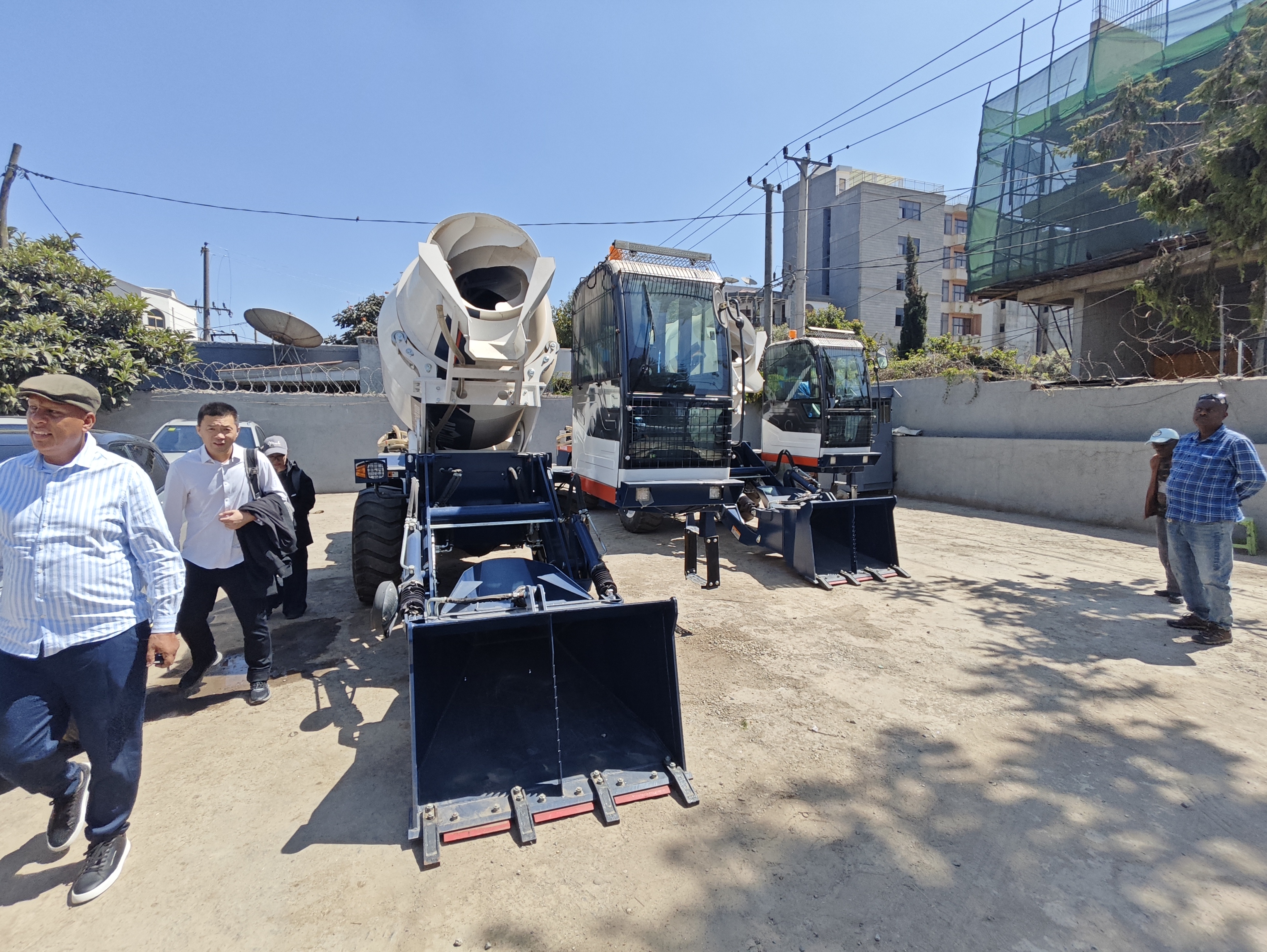
A peculiar tension grips the Ethiopian construction equipment market. Buyers face glossy brochures from multinational brands alongside aggressive offers from regional assemblers. The self loading concrete mixer price differential can reach 40% for ostensibly similar specifications of self loading mixer trucks. This disparity forces a critical question: is the premium for a established name merely a tax on anxiety, or does it purchase genuine operational security? The argument presented here contests conventional wisdom. While brand heritage commands respect, the harsh realities of the Ethiopian operational environment—remote project sites, intermittent grid power, and a fledgling logistics network—demand a reordering of priorities. After-sales value, not the badge on the grille, should dictate procurement decisions. This analysis dissects the price logic through three pragmatic lenses applicable to Addis Ababa contractors and regional developers alike.
1. The Brand Premium Deconstructed: What the Logo Actually Buys
Established manufacturers from Turkey, China, or Europe invest heavily in R&D. Their self loading mixers feature hardened planetary gearboxes, load-sensing hydraulic systems, and proprietary control software. These components reduce the frequency of catastrophic failures. However, the premium price includes costs unrelated to Ethiopian conditions: emissions compliance for European Stage V, dealer margins in three continents, and glossy marketing campaigns. A buyer pays for these whether they operate in the Rift Valley or the Rhine Valley.
1.1 Residual Value Illusion
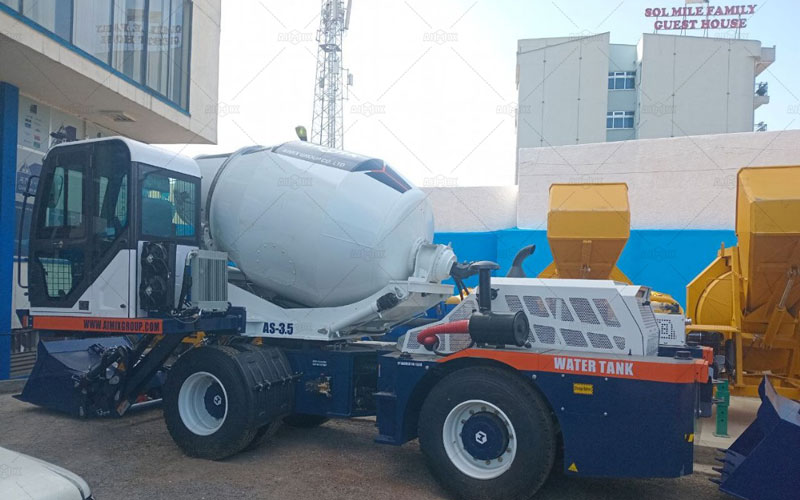
Proponents argue that branded machines retain higher resale value. This holds in mature markets with established auction houses and equipment valuation standards. Ethiopia lacks this infrastructure. The secondary market remains informal, driven by word-of-mouth and visual inspection. A three-year-old premium brand mixer might sell for 60% of its original price, but finding that buyer consumes weeks of negotiation. Meanwhile, a regional brand unit, purchased at a 40% discount, depreciates little further because its initial cost contained no speculative premium. The resale argument collapses under local market realities.
1.2 Component Standardization Differences
Premium brands often use proprietary hydraulic pumps and electronic control modules. When a sensor fails, the replacement must come from the brand’s authorized distributor. Regional brands tend toward off-the-shelf components—common Rexroth pump clones or standard Siemens logic controllers. A mechanic in Hawassa can source these from general industrial suppliers. The brand premium effectively purchases vendor lock-in. For Ethiopian buyers operating beyond the ring road of Addis, this lock-in translates to weeks of downtime awaiting couriered parts.
2. After-Sales Infrastructure: The Undervalued Determinant of Total Cost
Price logic divorced from serviceability is an exercise in fantasy. A self loading mixer shares DNA with a mobile concrete plant. Its weighing system requires calibration. Its drum bearings need regreasing at precise intervals. Its water metering valve demands descaling in hard water regions. The machine generating the lowest initial quote often carries the highest operational risk if the seller lacks a structured after-sales framework. Ethiopian buyers must interrogate not the brand name but the support ecosystem attached to it.
2.1 Parts Availability Velocity
Define the metric: how many hours between a phone call and a critical part arriving at a site 500 kilometers from the capital? A regional supplier with a warehouse in Modjo and a courier contract can achieve 48 hours. A premium brand whose regional hub is in Dubai or Nairobi often requires seven to ten days, plus customs clearance delays at Bole International Airport. The concrete mixer price in Ethiopia should correlate inversely with parts velocity. Yet the opposite is often true: premium brands charge more for slower fulfillment because their logistics prioritize cost containment for themselves, not urgency for the customer.
2.2 Technical Competency Transfer
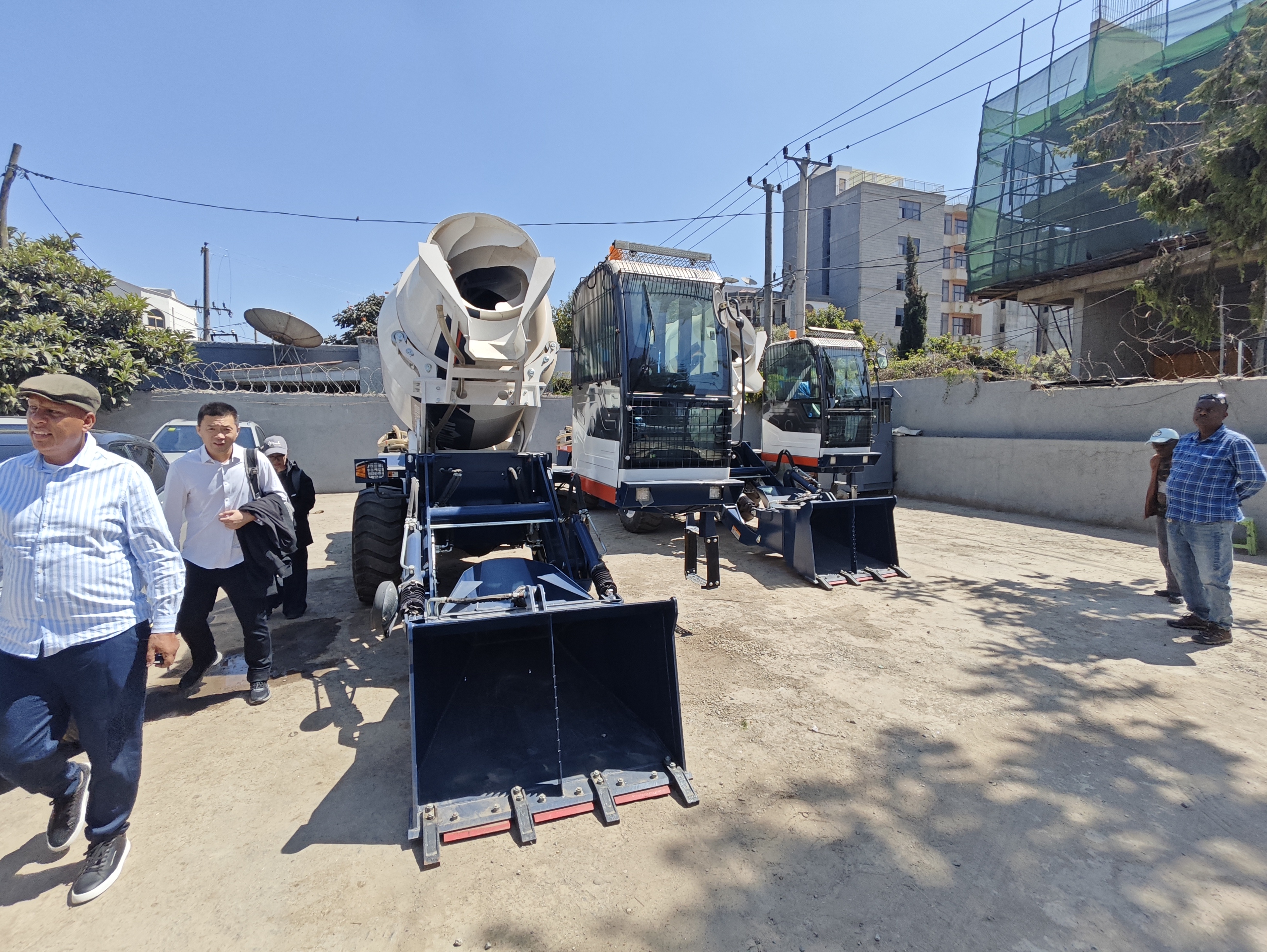
The most valuable after-sale asset is a trained local mechanic. Does the seller provide documented training for the buyer’s own staff? Or does every fault necessitate a paid visit from a factory technician who must fly in from abroad? Regional assemblers frequently embed training into the purchase agreement because they lack a large service fleet. Premium brands often withhold detailed schematics, arguing intellectual property protection. This asymmetry leaves the Ethiopian buyer dependent on a single service source. Argumentatively, the brand that refuses to empower the customer’s own team is selling dependency, not value.
3. Price Logic Synthesis: A Framework for Ethiopian Decision-Making
The optimal purchase balances upfront expenditure against projected downtime costs over a three-year horizon. Downtime for a self loading mixer costs an estimated 8,000 Ethiopian Birr per hour in lost production and idle labor, based on 2024 contractor surveys. A brand that reduces annual breakdowns by 20 hours justifies a premium of 160,000 Birr purely on availability grounds. However, if the brand’s parts fulfillment adds 72 hours of downtime per failure compared to a regional alternative, that advantage evaporates.
3.1 The Hybrid Procurement Strategy
Discerning Ethiopian buyers should avoid binary brand-or-no-brand thinking. Instead, evaluate each supplier against three weighted criteria: component commonality (40% weighting), parts fulfillment speed (35% weighting), and training provision (25% weighting). Brand heritage receives zero direct weighting. Applying this matrix often favors tier-two Chinese manufacturers with established Ethiopian distribution, or Turkish brands that have invested in local assembly. These occupy the sweet spot: better quality control than backyard assemblers, but without the logistical handicap of distant premium service networks.
3.2 Contractual Safeguards for After-Sales Performance
Negotiate binding service level agreements before signing. Specify maximum response times for remote diagnostics, maximum lead times for critical spares (define the list of 20 critical items), and minimum training hours for operator and mechanic cohorts. Insert penalty clauses—discounts on future purchases or free parts—for missed targets. A seller unwilling to commit to measurable after-sales metrics reveals their true priorities. The argument concludes that after-sales value on the big concrete mixer is not a subjective feeling. It is a set of contractual deliverables. Ethiopian buyers who demand these deliverables will find that brand value becomes a secondary concern, as it should be.
Comments
No comments yet. Be the first to react!