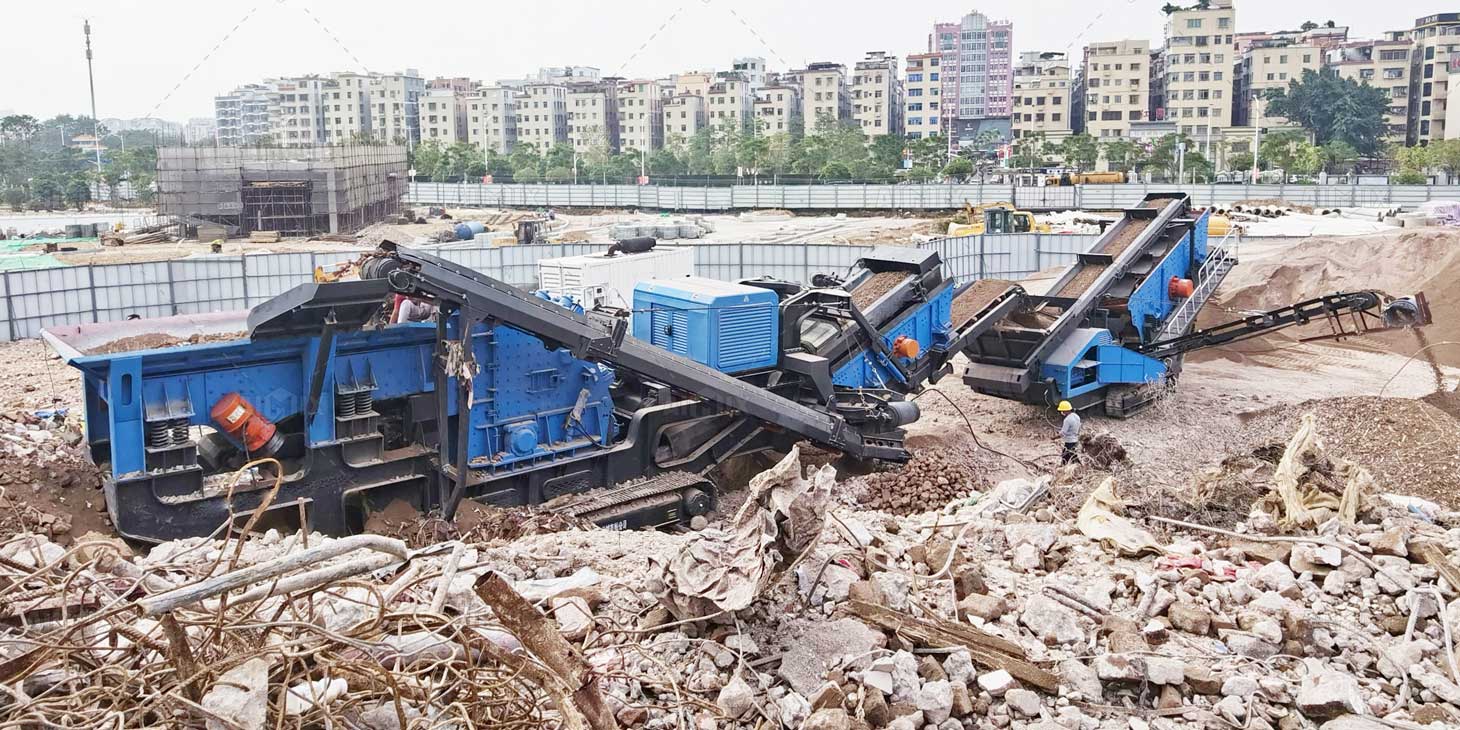
In the demanding world of aggregate production and demolition recycling, the margin between profitability and loss is often measured in cents per ton. While much attention is lavished on the initial capital expenditure of acquiring a concrete crusher for sale, the true arbiter of financial success lies in the daily operational choices made on the plant floor. The difference between a well-tuned machine and one that is merely functioning is a chasm of wasted energy, accelerated wear, and subpar product quality that cumulatively erodes the bottom line.
This is not a narrative about purchasing newer or larger equipment; it is a granular exploration of optimizing the machine you already possess. From the judicious management of feed material to the meticulous calibration of closed-side settings, every variable exerts a tangible influence on the cost per ton metric. By adopting a philosophy of continuous improvement and operational vigilance, producers can unlock significant savings, enhance throughput, and extend the service life of their crushing assets. This article delves into the pivotal operational strategies that can transform a crusher from a cost center into a profit engine.

Feed Management and Its Cascading Effects
Mastering the Art of Consistent Feeding
It is an axiom of crushing that a crusher performs best when it is choke-fed, meaning the crushing chamber is consistently full of material. This ensures continuous rock-on-rock crushing and maximizes the machine’s efficiency. Conversely, a sporadic or underfed crusher experiences wide fluctuations in power draw and excessive component strain. Inconsistency is the nemesis of both efficiency and longevity, leading to erratic product gradation and premature failure of manganese liners.
Proper feed distribution is equally critical. Allowing material to segregate or funnel solely into one side of the chamber induces uneven wear and reduces the crusher’s overall capacity. Furthermore, an excess of fines entering the chamber can impede throughput and create excessive dust. Pre-screening the feed to remove deleterious fines not only protects the crusher from packing but also allows it to focus its energy on reducing larger, more valuable aggregates. This pre-conditioning of the feed stream is a foundational step in cost reduction.
Optimizing for Ideal Particle Size Distribution
Understanding the relationship between feed size and crusher performance is paramount. Feeding material that is too large will stall the crusher; feeding material that is too small wastes capacity and increases the specific energy consumption per ton. Achieving a balanced feed gradation that aligns with the mobile impact crusher’s design parameters ensures the machine operates within its optimal power band. This synergy between feed and machine capability is the cornerstone of efficient comminution.
While it may seem counterintuitive to add a secondary screening stage, the economic benefits are irrefutable. By removing material that is already at target size, you prevent it from taking up valuable capacity in the crushing chamber. This increases the overall plant throughput and reduces the wear burden on the crusher’s wear parts. The energy saved by not re-crushing fines translates directly into lower cost per ton, demonstrating that sometimes, the path to efficiency lies in doing less.
Calibration, Maintenance, and Wear Management
The Criticality of Closed-Side Setting (CSS)
The closed-side setting (CSS) is the most critical operational parameter of a cone or jaw crusher. This setting dictates the maximum particle size of the product. A CSS that is too tight will lead to over-crushing, excessive liner wear, and high power consumption. Conversely, a CSS that is too open will produce a coarser product, potentially failing to meet specifications and requiring recirculation, which doubles the processing cost. Regularly monitoring and adjusting the CSS to align with production goals is a non-negotiable practice for cost control.
Modern crushers are often equipped with advanced automation systems that provide real-time data on power draw, crusher load, and CSS. Rather than relying on reactive maintenance, operators should cultivate a proactive stance, using this data to predict when adjustments are necessary. An incremental tightening of the CSS as liners wear can maintain product quality and extend liner life, thereby smoothing the cost curve over the liner’s lifecycle. This is the essence of smart, data-driven operation.

Implementing a Rigorous Maintenance Cadence
Preventative maintenance is not an expense; it is an investment in uptime and profitability. The cost of an unplanned shutdown due to a snapped eccentric bushing or a failed bearing far outweighs the cost of scheduled lubrication and inspections. A disciplined adherence to the manufacturer’s recommended maintenance schedule is the most effective deterrent against catastrophic failures and the associated lost production.
Wear parts, such as manganese liners, are designed to consume themselves to protect the rest of the machine. However, allowing them to wear to the point of failure is a false economy. Running a crusher with a worn liner that has lost its profile leads to a drop in throughput and an increase in power consumption. Changing liners at the optimal time—when they are worn out but before they cause secondary damage—ensures consistent performance and minimizes the total cost of ownership. It is far more economical to change a liner than to rebuild a mantle.
Process Integration and Material Flow
Synchronizing the Downstream Conveying System
The crusher does not operate in isolation; it is an integral node in a complex material flow network. A crusher that is forced to wait for a conveyor to clear or for a stockpile to be managed is a crusher that is generating zero revenue. Optimizing the entire plant flow, from the primary feeder to the final product stockpile, ensures that the bottleneck is always the crusher itself, not the ancillary equipment. This systems-thinking approach is vital for maximizing overall plant efficiency.
Material blockages and excessive recirculation loads are indicators of a system out of balance. Analyzing the circuit to identify pinch points and adjusting conveyor speeds or screen media can alleviate these bottlenecks. Reducing the recirculating load allows the crusher to focus its energy on new material, significantly improving the cost per ton metric. This continuous optimization of the process flow is the hallmark of a world-class operation.
Prioritizing Operator Training and Autonomy
A crusher is only as good as the person at the controls. Investing in comprehensive operator training that covers not just the controls but also the underlying principles of comminution pays dividends in improved performance. An empowered operator who understands the “why” behind the parameters is far more effective at making real-time decisions that prevent costly errors and optimize production. They are the final and most critical component of the efficiency equation.
Ultimately, improving cost per ton is not a one-time project but an ongoing journey. Fostering a workplace culture where operators are encouraged to share observations and suggest improvements can lead to incremental gains that compound over time. By valuing the human element as much as the mechanical one, companies can build resilient operations that consistently outperform their peers in the challenging landscape of aggregate production.
Comments
No comments yet. Be the first to react!