The Malaysian construction sector operates on tight schedules. A delayed foundation pour disrupts the entire project timeline. A waiting batching plant is an expensive asset. For contractors who need concrete production capacity urgently, sourcing from China offers the fastest path to delivery—provided the procurement process is executed correctly. The conventional wisdom assumes that importing from China requires months of lead time. This assumption is false. With the right supplier, logistics partner, and specification strategy, a mobile batching plant Malaysia can be en route within weeks of order placement and operational on a Malaysian site within 60 to 90 days. This article describes the specific steps Malaysian buyers must take to compress the procurement timeline. The focus is on supplier selection, specification standardization, and logistics acceleration. The argument is that speed is achievable, but only through deliberate process design. Random purchasing will produce random delivery dates. Structured purchasing produces predictable, rapid results.
Supplier Selection: Identifying Rapid-Response Manufacturers
The fastest path to delivery is a supplier with finished goods inventory. Most Chinese manufacturers build to order. This approach minimizes their working capital but extends lead times to 60 to 90 days for fabrication alone. A minority of suppliers maintain inventory of popular mobile plant configurations. These configurations—typically 20 to 40 cubic meter per hour plants with integrated silos and folding conveyors—represent the majority of Malaysian demand. The buyer who identifies an inventory-holding supplier can reduce fabrication lead time to zero. The machine is already built. It requires only final testing, export packing, and loading. The second accelerator is modular design. A plant that disassembles into standard shipping container dimensions avoids custom packing. Standard containers are always available. Custom crating introduces delays. The authoritative recommendation is to ask each supplier two questions. “Do you have this model in stock?” and “Does it pack into standard 20-foot or 40-foot containers?” The supplier who answers yes to both is the supplier who can deliver quickly.
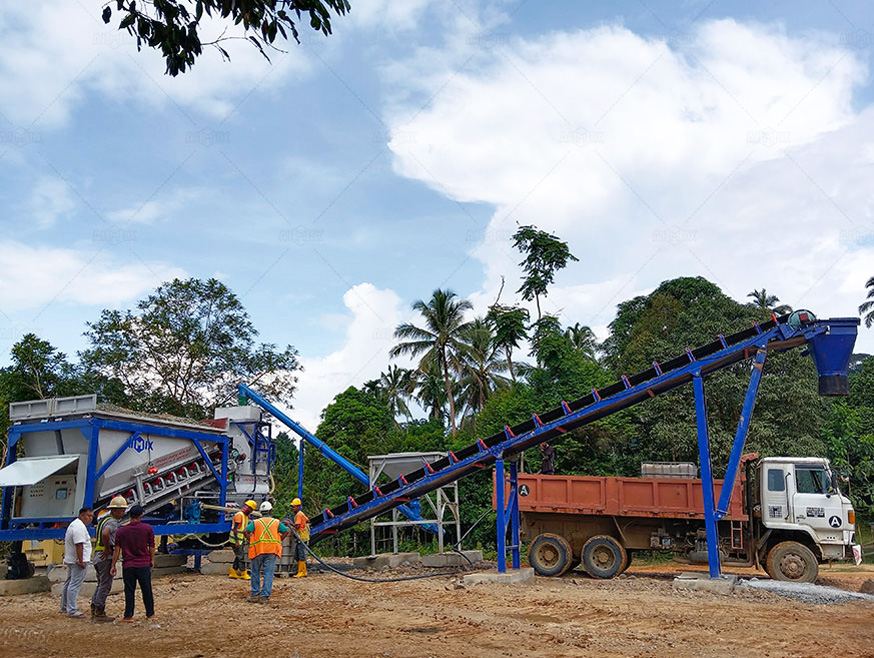
The documentation required for Malaysian import can become a bottleneck. Certificates of origin, commercial invoices, packing lists, and bill of lading are standard. However, certain certifications—CE marking documentation, test reports, or SIRIM compliance letters—may take weeks to produce if the supplier does not maintain them ready. The authoritative buyer requests copies of all export documentation before placing an order. A supplier who cannot provide these documents within 48 hours is not prepared for rapid export. The supplier who provides them instantly has an established export process. Choose the prepared supplier. The days saved in documentation are days added to your project schedule.
Specification Strategy: Standardizing for Speed
Customization is the enemy of speed. A mobile concrete batching plant for sale with standard specifications—standard voltages, standard control systems, standard silo sizes—can be shipped from inventory. A plant with customized features requires engineering, procurement of non-standard components, and extended testing. The authoritative advice is to accept standard specifications wherever possible. Malaysian electrical standards (415V, 50Hz, three-phase) are common in export-oriented Chinese manufacturing. Most suppliers offer this as a standard option. Malaysian language requirements for control interfaces are less common. English-language interfaces are standard. Accept English. The cost of translating a few dozen display messages is not worth the weeks of delay that customization introduces. Accept the standard machine. It will arrive faster. It will be cheaper. It will perform the same function.
The second specification accelerator is pre-approval. The buyer should identify acceptable brands for key components before requesting quotes. Engine brand. Hydraulic component brand. Control system brand. The supplier who stocks machines with these pre-approved brands can offer immediate shipment. The supplier who must substitute components to meet buyer specifications will require additional lead time. The authoritative buyer provides a component brand matrix with the initial request for quotation. “Engine: Kubota or Weichai acceptable. Hydraulics: Eaton or Rexroth acceptable. Control: Siemens or Omron acceptable.” This clarity allows the supplier to match available inventory to buyer requirements. Ambiguity forces the supplier to seek clarification. Clarification consumes days. Days matter.
Logistics Acceleration: From Factory to Malaysian Site
The logistics chain offers multiple opportunities for acceleration. The first is container booking. A buyer who relies on the supplier to book containers accepts the supplier’s timeline. A buyer who engages a freight forwarder directly controls the timeline. The authoritative recommendation is to contract with a freight forwarder who specializes in heavy equipment and has established relationships with ocean carriers serving Port Klang or Penang Port. The forwarder books containers before the plant is ready. The containers wait at the factory. When the plant completes final testing, loading occurs immediately. The alternative—requesting the supplier to book containers after the plant is ready—introduces delays of five to fifteen days. The second accelerator is vessel scheduling. Direct sailings from Shanghai or Guangzhou to Port Klang take 10 to 14 days. Indirect sailings with transshipment at Singapore or Tanjung Pelepas add 5 to 10 days. The buyer should specify direct sailing in the freight contract. The premium for direct service is modest. The time saving is substantial.

The final acceleration opportunity is customs clearance. The Malaysian customs authority processes imports based on documentation completeness. A buyer who submits complete, accurate documentation electronically before the vessel arrives can achieve clearance within 24 hours of berthing. A buyer who submits incomplete documentation or relies on the supplier to prepare documentation will experience delays. The authoritative buyer engages a licensed Malaysian customs broker before the shipment departs. The broker reviews the documentation. The broker submits the import declaration. The broker coordinates inspection if required. The broker also arranges last-mile delivery from the port to the site. This integrated service costs 5 to 10 percent of the freight cost. The value is measured in days saved. A plant that clears customs on Tuesday is delivered on Wednesday. A plant that clears customs on Friday is delivered on Monday. The weekend is lost. The authoritative buyer pays for broker service. The cost is trivial relative to the cost of a delayed project.
Supplier Shortlist for Rapid Delivery
The final authoritative recommendation is to prioritize suppliers with documented Malaysian delivery experience. A supplier who has previously exported to Malaysia understands SIRIM requirements, documentation standards, and common logistics routes. This experience eliminates learning curve delays. AIMIX is one concrete batching plant manufacturer with established Malaysian delivery records. Other suppliers with regional distribution centers in Southeast Asia may also offer rapid response. The buyer should request references from Malaysian customers. Contact those references. Ask about delivery time from order to site. The answers will identify which suppliers consistently meet their promised schedules. Choose the supplier with a track record of speed. Past performance is the best predictor of future results.
Speed has a price. The authoritative buyer recognizes that rapid delivery may require accepting a price premium. Express ocean freight costs 20 to 50 percent more than standard freight. Air freight for urgent spare parts costs significantly more. The buyer should budget for these premiums and decide whether the time saving justifies the cost. For a project with liquidated damages of $5,000 per day, a $2,000 freight premium is trivial. For a project with flexible schedule, standard freight is appropriate. The authoritative buyer calculates the cost of delay. That calculation informs the decision to pay for speed. Without the calculation, the buyer is guessing. Guessing leads to either unnecessary premiums or unnecessary delays. Calculate. Then decide. Then execute.
Comments
No comments yet. Be the first to react!