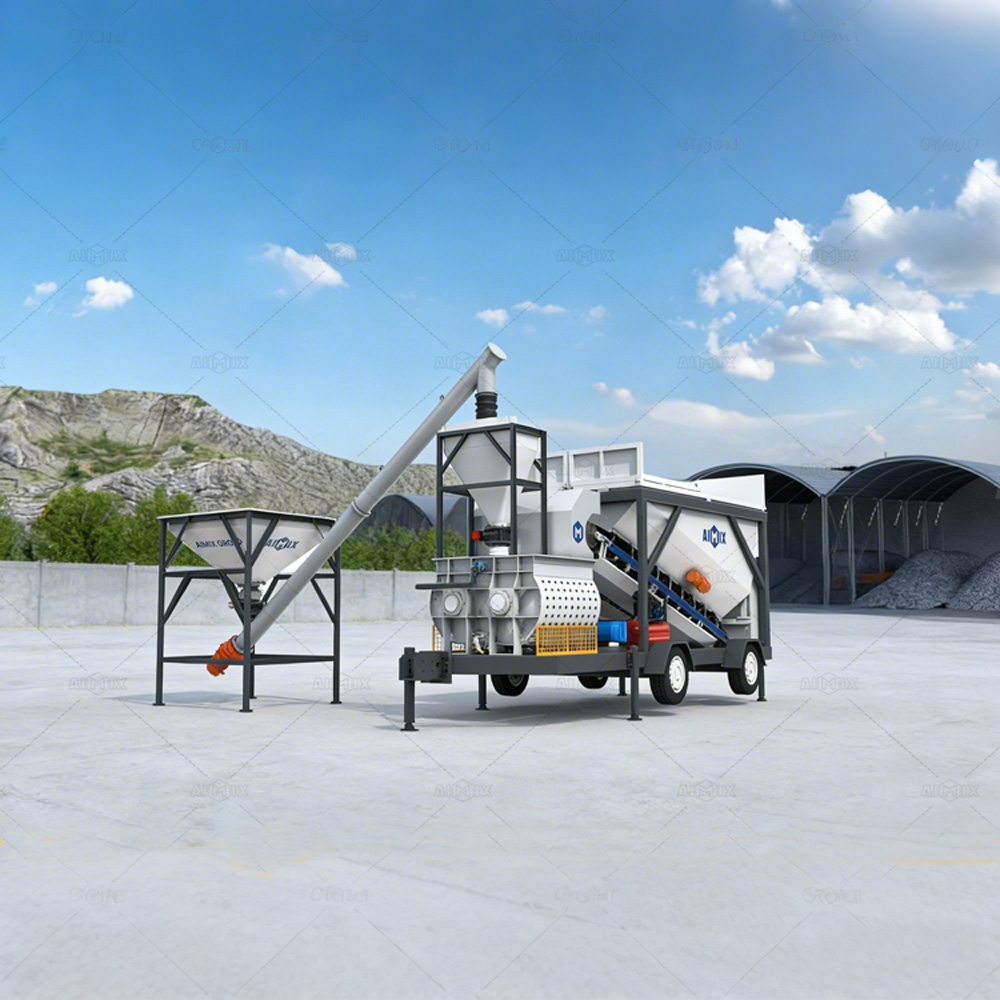
The moment has arrived. You have a quote in your hand. The price looks reasonable. The supplier seems friendly. You are ready to pay. Stop. Do not reach for your chequebook. Not yet. The mobile batching plant market in Nigeria is a wild jungle. Beautiful brochures hide ugly truths. Friendly salespeople vanish after the deposit clears. Mobile batching plant price that look complete turn out to be missing half the machine. This is not pessimism. This is experience. I have seen contractors pay for a “complete” plant only to discover that the cement silo was extra. The conveyor was extra. The control software license was extra. The installation was definitely extra. So let us do something radical. Let us ask questions. Specific questions. Annoying questions. Questions that make the supplier sweat. Here is your critical checklist. Ask these before you pay a single naira. Your future self will thank you.

The Anatomy of a Price Quote: What’s Actually Included?
Here is the first question. Write it down. “Does your price include the cement silo?” You would be amazed how often the answer is no. A mobile batching plant without a cement silo is like a car without wheels. It looks nice. It does nothing. A single silo costs ₦2 million to ₦5 million depending on size. A second silo for fly ash or GGBS costs the same. Ask. Then ask about the screw conveyor. That is the long tube that moves cement from the silo to the mixer. Some suppliers exclude it. A screw conveyor costs ₦1 million to ₦2.5 million. Ask about the air compressor. The plant needs compressed air to open the silo discharge valves and to blow dust off the filters. An air compressor costs ₦500,000 to ₦1.5 million. Ask about the water pump. The plant needs to move water from your storage tank to the mixer. A pump costs ₦200,000 to ₦600,000. By the time you finish asking, the “complete” concrete batching plant price might be 40% higher than the quote. That is not a mistake. That is a strategy. Do not fall for it.
Now ask about the brain of the plant. The control system. A basic control system uses push buttons and timers. It is cheap. It is also imprecise. A good control system uses a PLC (Programmable Logic Controller) with a touchscreen. It costs more. It also produces consistent concrete. Ask the supplier: “Is the PLC included? What brand? Siemens or a Chinese clone?” A Siemens PLC costs ₦1 million to ₦3 million more than a no-name clone. But the clone will fail. It will fail when it is hot. It will fail when it is humid. It will fail when you need it most. Ask about the software license. Some suppliers charge separately for the software that runs the PLC. That is like selling a phone without an operating system. Ask about the remote access feature. Can you monitor the plant from your phone? That feature might be extra. Ask. Then ask again. The control system is where many suppliers hide their margin. Do not let them.
Delivery, Installation, and the Fine Print
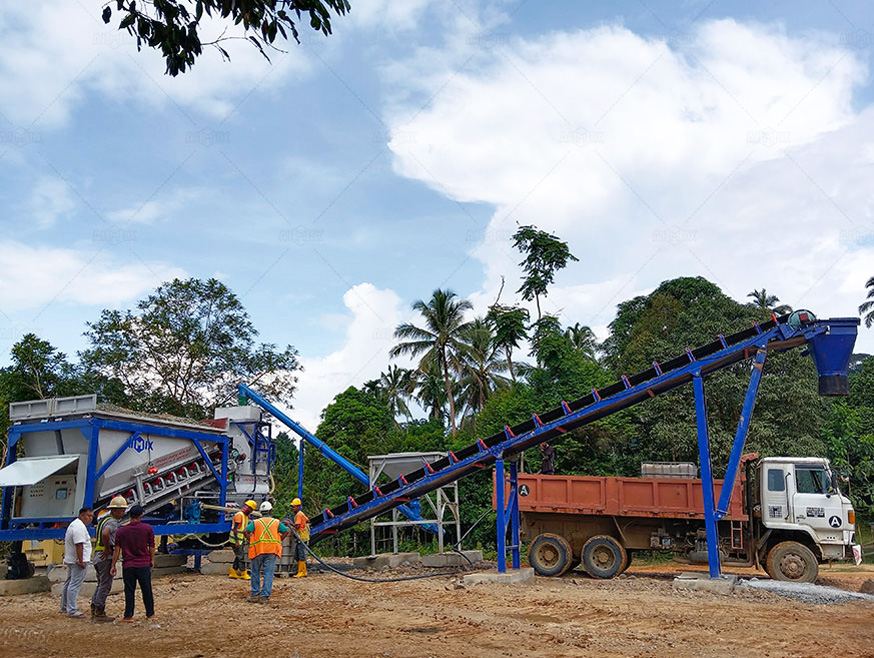
The machine is built. The money is sent. Now it needs to travel from the factory to your site. Ask: “Is delivery included in the price?” If the answer is yes, ask: “To which location?” Some suppliers include delivery to the port (say, Apapa or Tin Can Island). They do not include delivery from the port to your site. That can be ₦500,000 to ₦2 million depending on distance. Ask: “Who pays for the crane to unload?” A mobile batching plant in Nigeria arrives in pieces. Each piece is heavy. You need a crane to lift them off the truck. A crane for a day costs ₦200,000 to ₦500,000. Some suppliers include crane hire. Most do not. Ask: “Is installation included?” Installation takes a team of two to four technicians for one to two weeks. Their flights, accommodation, and daily rates can add ₦3 million to ₦8 million. Some suppliers include installation. Many do not. Ask. Then ask for a written list of exactly what delivery and installation covers. If the supplier hesitates, walk away.
Finally, ask about the warranty. The standard answer is “12 months.” That sounds good. But ask for details. “Does your warranty cover parts and labour or just parts?” Labour is expensive. A technician flying from China to Nigeria costs ₦1 million just for the flight. “Does your warranty cover shipping costs for replacement parts?” Shipping a 50kg part from China costs ₦200,000 to ₦500,000. If the warranty does not cover that, you pay. “Does your warranty cover wear parts?” It probably does not. Blades, liners, belts, and filters are considered consumables. That is fine. Just know it. “What is the claims process?” Some suppliers require you to send the broken part back to China before they ship a replacement. That takes months. A good supplier has a local parts stock in Lagos or a regional hub in Dubai. Ask. The quality of the warranty tells you everything about the supplier. A vague warranty means a vague commitment. A detailed warranty means a serious company. AIMIX and other reputable brands provide clear warranty terms. If the supplier cannot answer these questions, they are not ready for your business. Neither are you ready to pay them.
The Final Question: Can I Speak to a Previous Buyer?
This is the most important question. “Can you give me the contact information of three buyers in Nigeria who have purchased this same plant in the last two years?” A confident supplier will say yes immediately. They will provide names, phone numbers, and project locations. A nervous supplier will make excuses. “Privacy concerns.” “We don’t keep that data.” “Our customers are too busy.” These are lies. Call the references. Ask them: “Did the plant arrive on time?” “Were there hidden costs?” “How is the parts availability?” “Would you buy from this supplier again?” The answers will tell you the truth. No brochure. No sales pitch. Just reality. If the supplier refuses to provide references, do not buy. It is that simple. Your naira is valuable. Your project is important. Do not gamble on a supplier who hides their track record. Ask the questions. Get the answers. Then, and only then, pay.
Comments
No comments yet. Be the first to react!