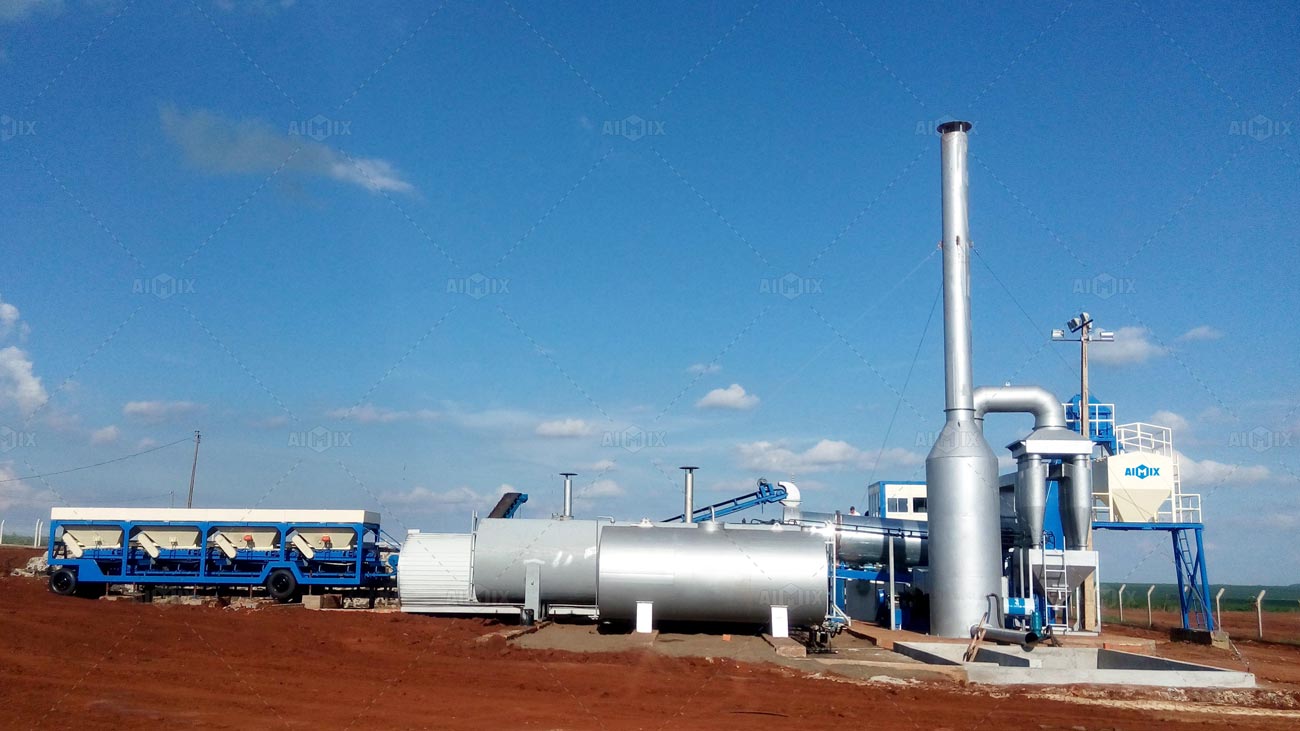
The infrastructure landscape across Latin America is undergoing a period of significant transformation. Fuelled by economic recovery ambitions, urbanization pressures, and a pressing need to modernize aging transportation networks, the demand for road construction and rehabilitation projects is surging. This, in turn, is driving a dynamic and evolving market for asphalt production equipment. A deep analysis of demand trends for asphalt mixing plants(planta asfáltica) in the region reveals a shift away from one-size-fits-all solutions toward a more nuanced preference for efficiency, flexibility, and environmental compliance. The choice between a large stationary plant, a mid-sized facility, or a versatile portable asphalt plant is increasingly dictated by specific project scales, geographic challenges, and national procurement strategies. Understanding these trends is crucial for manufacturers, suppliers, and contractors aiming to participate successfully in Latin America's infrastructure boom.
Macroeconomic and Infrastructure Drivers
The overarching demand for asphalt mixing equipment is intrinsically linked to public and private investment in infrastructure. Several key drivers are creating a sustained push for capacity.
Public Investment in National Road Networks
Governments across the region are prioritizing large-scale corridor projects to boost connectivity and trade. Countries like Brazil, Chile, and Colombia have ongoing multi-billion-dollar programs for highways, interurban connectors, and logistics corridors. These mega-projects typically require high-volume, stationary asphalt plant setups near raw material sources or major project segments to ensure a continuous supply of mix. The demand here is for reliable, high-production units with advanced control systems to meet stringent quality specifications for long-life pavements.
Urbanization and Intra-City Mobility Projects
Rapid urban growth is straining existing city road networks, leading to investments in ring roads, bypasses, arterial road expansions, and public transit corridors. Urban projects often face space constraints, strict environmental regulations on emissions and noise, and logistical complexities. This environment favors more compact, environmentally controlled plants, and increasingly, the mobility of a portable asphalt plant(planta de asfalto portátil). The ability to relocate the plant as different phases of an urban project commence reduces haul distances for trucks, cuts fuel costs, and minimizes community disruption—a key factor in dense metropolitan areas.
Mining and Resource Extraction Logistics
In mineral-rich nations like Peru and Chile, the mining sector is a major driver of private infrastructure investment. Building and maintaining heavy-duty access roads to remote mine sites requires robust asphalt production capabilities on location. For these applications, durability, ease of transport over rough terrain, and quick setup are paramount. A heavy-duty portable asphalt plant is often the preferred solution for these temporary but critical projects, a trend clearly visible in the market dynamics of asphalt plant Peru where mining logistics significantly influence equipment purchases.
Key Equipment Trends Shaping Demand
The nature of demand is not just about quantity but also about specific features and technologies that contractors are now prioritizing.
The Rising Preference for Mobility and Flexibility
The economic and logistical advantages of mobility are reshaping procurement decisions. Contractors are seeking plants that can be disassembled, transported on standard trailers, and reassembled quickly at a new site. This reduces the need for multiple fixed installations and allows a single capital asset to serve multiple projects over its lifespan. The versatility of a modern portable asphalt plant, which can now achieve impressive production outputs with sophisticated controls, makes it a highly attractive option for a wide range of projects, from rural road upgrades to suburban developments.
Emphasis on Environmental Compliance
As environmental regulations tighten in major cities and near sensitive areas, demand is growing for "greener" asphalt plants. Key features include advanced baghouse filters to capture particulate matter, systems for fume reduction, and the capability to produce Warm Mix Asphalt (WMA). WMA technology, which allows production at lower temperatures, is becoming a significant differentiator. An asphalt plant equipped with WMA capabilities not only reduces fuel consumption and emissions but also expands the paving window and improves working conditions, making it more competitive in bids for environmentally conscious projects.
Modernization Through Automation and Control
There is a clear trend toward upgrading from manually operated or semi-automatic plants to fully automated systems. Modern computerized control panels improve mix consistency, reduce material waste, optimize fuel use, and provide detailed production reports. For a contractor operating an asphalt plant Peru(planta de asfalto Perú) on a complex highway project, this level of precision is essential for meeting engineer-quality requirements and managing profitability. Automation also helps mitigate the challenge of skilled operator shortages in some regions.
Regional Market Variations and Considerations
While overarching trends exist, the Latin American market is not monolithic. Demand characteristics vary considerably from country to country.
Focus on Rehabilitation and Maintenance
In countries with mature highway networks, such as Chile and Uruguay, the focus is shifting from new construction to rehabilitation, preservation, and maintenance. This creates demand for smaller, more flexible plants that can produce specialized mixes and operate efficiently on smaller-scale, scattered projects. It also drives interest in retrofitting existing stationary plants with new burners, filters, and control systems to extend their life and improve performance, rather than always purchasing new greenfield equipment.
Financing and Local Assembly Models
Financing remains a critical factor. Governments and contractors often seek favorable financing terms from equipment suppliers. Additionally, some countries with strong industrial bases, like Brazil and Mexico, have policies encouraging local manufacturing or assembly. This can influence the type of asphalt plant supplied, with components shipped for local integration. Understanding these local content rules and partnership opportunities is vital for market entry.
Case in Point: The Dynamic Market in Peru
The market for an asphalt plant Peru exemplifies several regional trends. Simultaneous development of large coastal highway projects, urban works in Lima, and remote mining access roads in the Andes creates parallel demand for different plant types. Large stationary units serve major government contracts, while agile, containerized portable plants are in high demand for mining and regional projects. This dual demand makes Peru a particularly strategic and competitive market for asphalt plant suppliers.
Conclusion: A Market of Strategic Opportunity
The demand for asphalt mixing plants in Latin America is robust and multifaceted. The era is defined by strategic investment where the right tool must be matched to the specific job. The market is moving decisively toward solutions that offer operational flexibility, environmental sustainability, and digital control. While large stationary plants remain vital for mega-projects, the growth segment lies in modern, efficient, and compliant portable and relocatable plants. Success for equipment providers will depend on their ability to offer a diversified product portfolio, tailor solutions to localized needs—such as the specific challenges and opportunities of supplying an asphalt plant Peru—and support clients with financing and technological expertise. For contractors and governments, investing in the right asphalt production technology is no longer just about laying pavement; it is about building smarter, more sustainable, and more cost-effective infrastructure for the future.

Comments
No comments yet. Be the first to react!