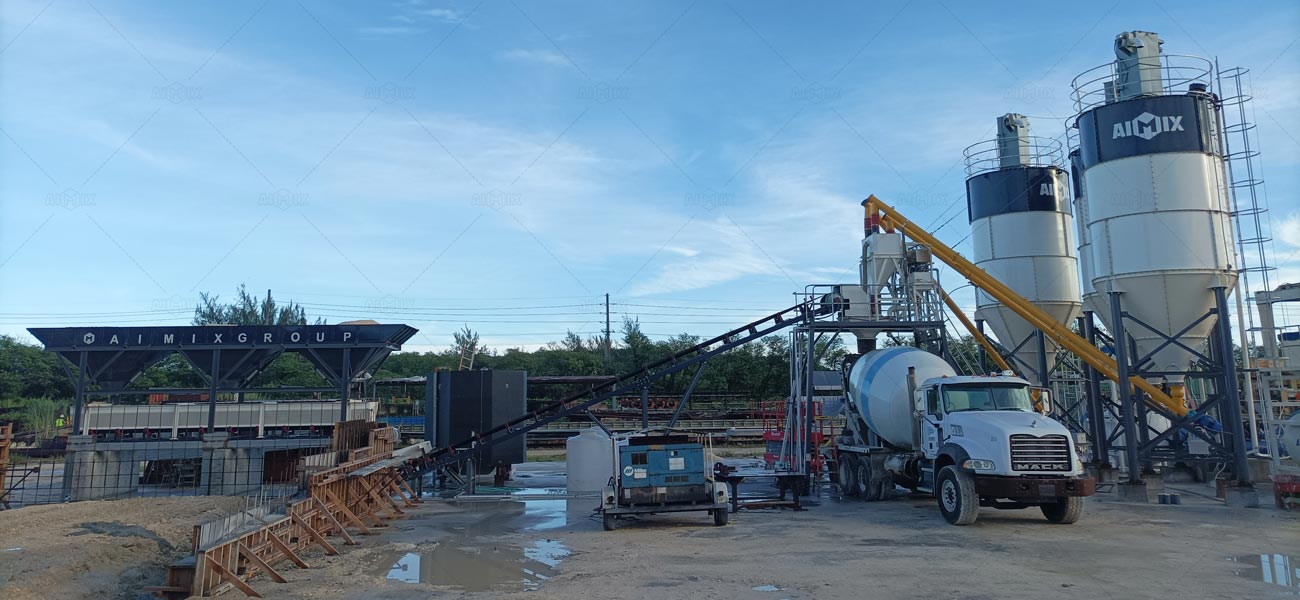
High-altitude construction projects across the Peruvian Andes present unique operational challenges for engineering teams and infrastructure contractors. Operating heavy equipment at elevations exceeding 3,000 meters above sea level exposes machinery to thin air, extreme day-to-night temperature fluctuations, and severe freeze-thaw cycles. Whether contractors invest in a stationary installation or evaluate a concrete plant for sale in Peru(venta de planta de concreto en Perú) for rugged mountainous terrain, implementing a specialized maintenance strategy is essential. Proper upkeep prevents costly downtime, preserves mixing accuracy, and extends equipment service life under harsh Andean conditions.
Understanding High-Altitude Environmental Impact on Concrete Batching Equipment
High altitude directly affects mechanical components, pneumatic systems, and engine performance. In regions such as Cusco, Puno, and Huancayo, reduced atmospheric pressure and lower air density significantly decrease diesel engine output and air compressor efficiency. When contractors deploy a concrete plant in remote highland zones, ambient temperature drops can cause moisture condensation in air lines to freeze rapidly. Recognizing these environmental pressures allows site engineers to adapt daily inspection routines before minor mechanical issues lead to major plant failures.
Furthermore, extreme temperature swings between day and night cause thermal expansion and contraction in metal components, scale sensors, and structural frames. A small concrete plant operating on a mountain road project often encounters severe dust and grit from unpaved access routes, further compounding wear on bearings and conveyor rollers. Addressing these factors through structured preventive maintenance guarantees consistent production quality regardless of regional climate severity.
Key Maintenance Practices for High-Altitude Operations
To keep equipment running smoothly in low-pressure, low-temperature environments, maintenance crews should focus on critical subsystems that are most susceptible to high-altitude stress.
Engine and Compressor Adaptation
At high elevations, reduced oxygen levels cause incomplete combustion and power loss in internal combustion engines. Maintenance teams should clean or replace air intake filters twice as frequently as standard operating manuals recommend. Compressor systems integrated into a concrete plant(planta de concreto) require synthetic low-viscosity oil and dedicated moisture separators with heated drain valves to prevent ice formation in pneumatic control lines.
Calibration of Weighing Systems and Load Cells
Sub-zero temperatures and high thermal variance can cause sensitive electronic scale sensors to drift. Daily zero-point checks and weekly weight calibration are vital for maintaining batch accuracy. Ensuring that load cell connection boxes remain tightly sealed against moisture and frost prevents electrical short-circuiting and inaccurate aggregate measurement.
Lubrication and Fluid Management
Standard grease and lubricants can thicken or harden under freezing mountain conditions, increasing friction and motor torque requirements during cold morning starts. Using cold-weather synthetic greases specified for low-temperature application protects mixer shaft bearings, conveyor gearboxes, and discharge gates. When managing a small concrete plant(planta de concreto pequeña), operators should idle equipment briefly before loading to allow gear oils to reach ideal operating temperatures.
Seasonal Inspection and Preventive Care Routines
Developing a structured inspection schedule ensures that every mechanical component receives regular attention before severe wear occurs.
Daily Pre-Operation Checklist
- Drain condensation from pneumatic air tanks and water separators before starting production.
- Inspect aggregate weigh belts and conveyor rollers for frozen debris or dust buildup.
- Test water supply heating elements and flow meters to prevent frozen line blockages.
- Check engine air filters and oil levels in all drive motors and gear reducers.
Weekly and Monthly Maintenance
- Recalibrate chemical admixture dispensers and water batching sensors.
- Check drive belt tension on conveyors and mixer shafts, adjusting for cold-weather contraction.
- Inspect mixer drum or twin-shaft liner plates and mixing blades for uneven wear caused by abrasive mountain aggregates.
- Inspect electrical cabinets for dust ingress and thermal damage on contactors and relays.
Strategic Spare Parts Management for Remote Mountain Sites
Transporting replacement parts to remote mountain construction sites in Peru can take days or even weeks. When sourcing a concrete plant for sale in Peru, project directors must assemble a localized spare parts inventory directly at the job site. Essential high-wear items include extra air filters, load cell sensors, pneumatic valves, heated water hose fittings, and backup mixer liner plates. Keeping critical components on hand minimizes unexpected disruptions and protects project delivery timelines.
Maximizing Equipment Lifespan in the Peruvian Andes
Operating batching equipment at extreme elevations requires targeted mechanical adjustments, specialized cold-weather lubricants, and disciplined daily inspection protocols. By adapting maintenance procedures to overcome low atmospheric pressure, freezing temperatures, and remote site logistics, construction managers can maximize uptime and maintain precise mix quality. Investing effort into proactive maintenance ensures that any concrete plant operating in Peru delivers dependable performance and long-term return on investment across the most demanding high-altitude engineering projects.

Comments
No comments yet. Be the first to react!