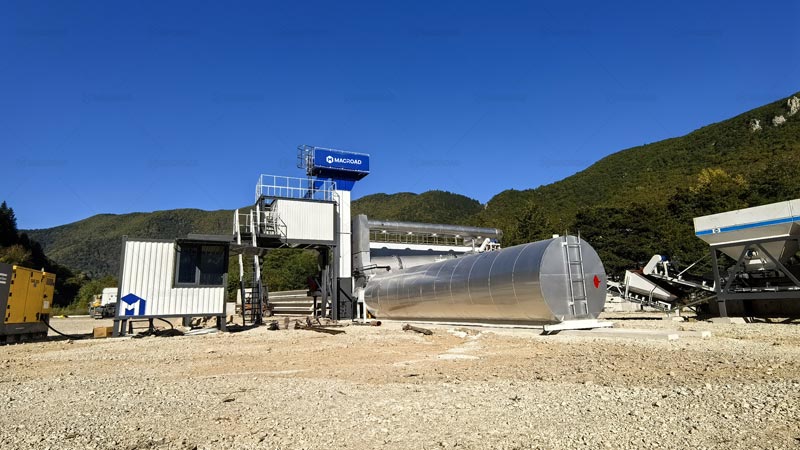
Infrastructure development across Latin America is undergoing a major technological shift. Driven by public-private partnerships, stricter regional environmental mandates, and demanding highway timelines, road contractors are looking beyond basic machine capacity. To remain competitive, construction fleets must prioritize intelligence and automation. Upgrading your asphalt plant assets is no longer just about increasing raw hourly output; it is about integrating smart processing systems that maximize resource efficiency, lower emissions, and ensure seamless synchronization with downstream paving crews.
The Drive for Smart Infrastructure in Latin American Municipalities
Rapidly developing road networks in Central and South America demand high-performance materials that can withstand diverse microclimates, from high-altitude dampness to coastal humidity. Traditional, manually calibrated production models struggle to keep pace with these fluctuating environmental variables.
Overcoming High Material Volatility
A common challenge in regional roadwork is the inconsistency of local aggregate stockpiles. Moisture content can spike overnight during tropical rainy seasons, forcing operators to constantly adjust burner temperatures. An intelligent asphalt plant(planta asfáltica) solves this by utilizing moisture sensors linked to automated burner controls. This smart setup adjusts the flame intensity in real time, preventing fuel waste and protecting the physical properties of the bitumen binder.
Reducing Downstream Paving Delays
A major bottleneck in highway paving is the disconnect between production rates and laying speeds. If a contractor's asphalt paver is forced to sit idle on the road while waiting for delivery trucks, the cooling asphalt mix can develop cold joints, leading to premature structural cracking.
Modern intelligent plants feature automated truck dispatching and silo level tracking. By syncing the mixing rate directly with the GPS coordinates and consumption speed of the asphalt paver(pavimentadora asfáltica) working miles away, the production facility can systematically eliminate transport delays, keeping the paving train moving at a steady, uninterrupted pace.
Strategic Benefits of Automation for an Asphalt Plant in Mexico
As one of the most active industrial hubs in Latin America, Mexico has emerged as a key testing ground for smart road-building technologies. Contractors operating an asphalt plant in Mexico(planta de asfalto en México) are facing stricter environmental regulations and rising fuel costs, making intelligent upgrades highly attractive.
Key Upgrades Driving Efficiency in Regional Paving
- Cloud-Based Control Systems: Replaces older, manual control panels with multi-device cloud dashboards that let operators monitor energy metrics and aggregate ratios remotely.
- Predictive Maintenance Alerts: Uses vibration and heat sensors on major bearings, draft fans, and elevators to catch wear issues before they trigger a catastrophic breakdown mid-paving.
- Multi-Fuel Burner Tuning: Automates the air-to-fuel ratio adjustments, allowing plants in rural Mexico to switch seamlessly between natural gas, diesel, and heavy oil without sacrificing thermal efficiency.
Investing in these targeted technological modifications allows local producers to secure lucrative highway contracts that mandate verifiable mix reports and strict carbon offset limits.
High-RAP and Warm Mix Integration Technologies
Transitioning to intelligent asphalt production requires a clear focus on sustainability. As environmental agencies across Latin America align closer with international green building standards, plants must adapt to handle recycled materials and lower temperature processes.
Automated Recycled Asphalt Pavement (RAP) Batching
Utilizing reclaimed asphalt pavement is one of the most effective ways to lower material costs. However, adding too much cold, moisture-heavy RAP into a standard drum can cause rapid temperature drops and aggregate scaling. Intelligent batching software automatically calculates the required heat profile based on the percentage of recycled content being introduced, ensuring a highly homogenous mix without damaging the plant components.
Warm Mix Asphalt (WMA) Foam Systems
Traditional hot mix asphalt is produced at temperatures exceeding 160 degrees Celsius, requiring immense fuel energy. Integrating an automated asphalt foaming system allows the production of Warm Mix Asphalt.
By injecting tiny amounts of water into the liquid bitumen during mixing, the binder expands and coats the aggregate easily at temperatures that are 20 to 30 degrees lower. The smart control unit monitors this process to prevent excess moisture from lingering in the final mix, leading to a significant reduction in fuel consumption and CO2 emissions.
Implementing Smart Logistics and Digital Quality Control
To truly unlock the value of an intelligent hardware setup, the data generated at the mixing site must be utilized to optimize your broader supply chain. Digital quality control systems and logistics integration turn your production facility into a connected hub.
Real-Time Bitumen Flow Monitoring
Massive savings can be realized by monitoring the exact weight of liquid bitumen used per batch. Because asphalt binder is the most expensive raw ingredient, even a tiny over-allocation of 0.2% can add up to thousands of dollars in lost profit over a long project. Precision flow meters paired with automated scale calibrations ensure the plant adds the exact required amount of binder, eliminating material giveaway.
Automated Mix Delivery Documentation
Paper ticketing systems are prone to human error and easily lost at busy jobsites. Digital dispatch modules automatically log the temperature, recipe design, and weight of each load as the truck departs the silo. This data is transmitted instantly to the site managers and the crew operating the asphalt paver, providing a transparent digital trail that facilitates fast project approvals and simplifies compliance auditing.
Future-Proofing Your Production Fleet
Remaining competitive in Latin America's evolving road construction sector requires a shift away from reactive maintenance and manual operations. The path to higher profitability lies in systematic, intelligent system upgrades.
By equipping your asphalt plant with real-time moisture monitoring, integrating smart communication loops with your field equipment like the asphalt paver, and adopting automated WMA and RAP processing, you can drastically reduce fuel costs and material waste. For businesses operating an asphalt plant in Mexico or surrounding Latin American markets, these intelligent features provide a reliable path to securing premium municipal bids, improving margins, and delivering exceptional, long-lasting pavement quality.

Comments
No comments yet. Be the first to react!