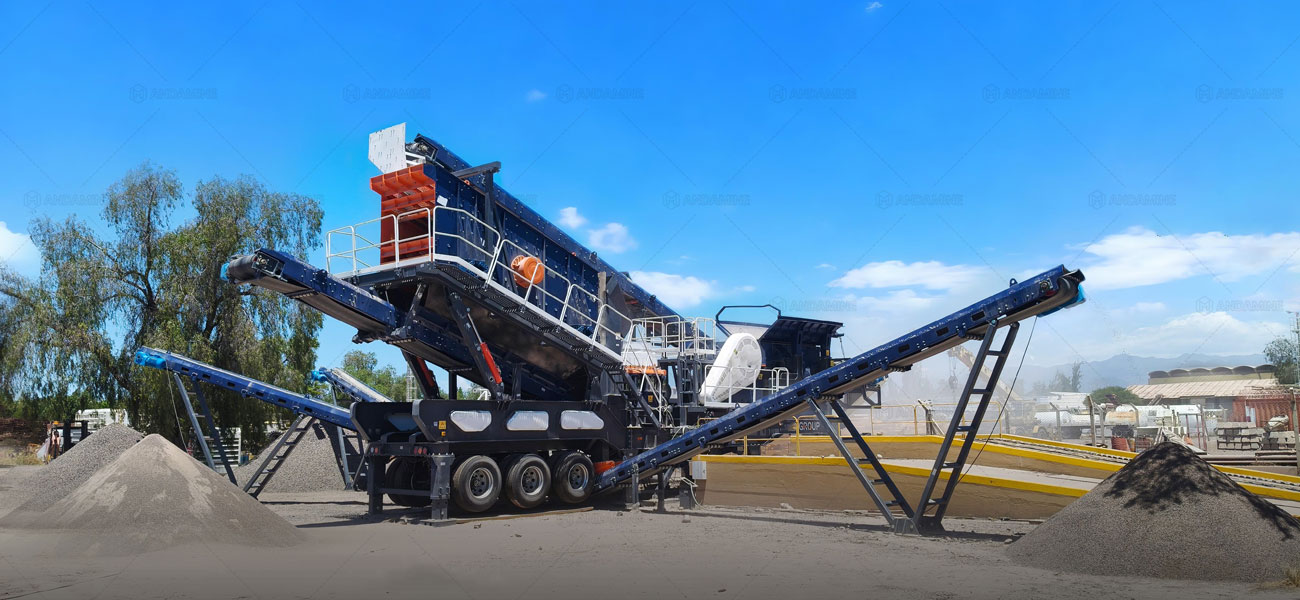
Water conservancy projects, such as dams, reservoirs, and hydropower stations, demand the highest standards of engineering excellence due to their long lifespans and the immense hydraulic pressures they must endure. At the core of these massive concrete structures lies high-quality aggregate, which constitutes the bulk of the concrete volume. Producing aggregate for these specialized applications is far more complex than standard road base or commercial concrete production. It requires precise control over particle shape, strict adherence to gradation curves, and the elimination of micro-cracks in the finished stone. To meet these stringent specifications, setting up a highly optimized aggregate crusher plant(planta chancadora de áridos) is the fundamental first step for project contractors and quarry operators alike.
Strict Quality Standards for Hydraulic Concrete Aggregate
The concrete used in water conservancy structures must possess exceptional durability, low permeability, and high compressive strength. Consequently, the raw materials processed by the aggregate crusher plant must undergo rigorous selection and testing before entering the crushing circuit.
Particle Shape and Cubical Output
In hydraulic engineering, elongated and flaky particles are highly detrimental. They create voids within the concrete mixture, increasing the requirement for expensive cement paste and compromising the structural integrity of the dam. To prevent this, operators frequently deploy a specialized cone crusher in the secondary or tertiary crushing stages. The inter-particle crushing action of a modern cone crusher ensures a highly cubical product shape, which significantly improves the workability and compaction of the concrete mix.
Control of Micro-Cracks and Internal Stress
Impact-based crushing can sometimes introduce internal micro-fractures into the stone, which may expand under long-term hydraulic pressure. Compression-based reduction, heavily utilized by a well-configured cone crusher, minimizes these hidden defects. This makes compression crushing the preferred method when preparing materials for high-load water retention barriers.
Geological Adaptability and Equipment Selection
Water conservancy projects are rarely located near major urban centers; instead, they are usually situated in remote mountainous regions with complex geological conditions. This geographical challenge directly influences how an aggregate crusher plant must be designed and operated.
Handling High-Hardness Rocks in Challenging Terrains
Many dam sites are surrounded by extremely hard, abrasive rock types like granite, basalt, or quartzite. Processing these materials requires heavy-duty machinery capable of enduring extreme wear. For instance, infrastructure projects in South America frequently encounter some of the toughest rock formations in the Andes. Contractors managing a stone crusher Peru(chancadora de piedra Perú) project must ensure their equipment configuration includes high-manganese liners and robust dust suppression systems to maintain continuous operation under high-altitude, high-abrasion conditions.
Optimizing the Multi-Stage Crushing Circuit
A reliable stone crusher Peru setup demonstrates the importance of a well-planned multi-stage circuit. A typical configuration involves a heavy-duty jaw crusher for primary reduction, followed by a cone crusher to handle the mid-sized hard rock, and finally a vertical shaft impactor for shaping and sand making. This systematic reduction process prevents equipment overloading and ensures that the strict particle size distribution required for hydraulic concrete is consistently achieved.
Fine Aggregate Production and Sand-to-Stone Ratio
Another critical factor in water conservancy concrete is the sand-to-stone ratio, particularly the quality of the fine aggregate or manufactured sand. Natural sand is often unavailable near remote project sites, making on-site sand manufacturing essential.
- Gradation Curve Matching: The fine aggregate produced by the aggregate crusher plant must match a specific gradation envelope to ensure optimal density. Missing fractions in the middle sizes can lead to segregation of the concrete during pouring.
- Fines Content Control: While a certain amount of ultra-fine material (stone dust) helps improve the density of hydraulic concrete, an excess of it weakens the bond between the cement and the coarse aggregate. Advanced washing or air classification systems must be integrated into the circuit to wash out excess mud and control the total fines percentage.
Operational Continuity and Smart Automation
Due to the seasonal nature of river diversion and weather windows in water conservancy construction, concrete pouring schedules are incredibly tight. Any unexpected downtime at the aggregate crusher plant can delay the entire project timeline, incurring massive financial penalties.
Predictive Maintenance for Crushing Machinery
Implementing real-time monitoring on core machinery is crucial. Operators managing a stone crusher Peru operation or any remote site rely on automation to track oil lubrication paths, vibration frequencies, and mantle wear. By receiving early warnings before a component fails, maintenance teams can schedule repairs during planned shift changes rather than suffering catastrophic failures during peak production hours.
Automation in Closed-Loop Circuits
Integrating automated return conveyors allows the system to automatically re-route oversized materials back into the cone crusher(trituradora cónica). This closed-loop design ensures that not a single ton of out-of-specification stone leaves the production area, thereby guaranteeing 100% compliance with the strict engineering standards of the project.
Strategic Insights for Project Success
Building infrastructure that stands the test of time requires total control over every raw material utilized. For water conservancy initiatives, the aggregate is the backbone of structural safety. Achieving the perfect balance of shape, strength, and grading requires a deep understanding of rock mechanics and equipment capabilities. By investing in the right combination of machinery—utilizing a high-performance cone crusher for shape control and designing a resilient aggregate crusher plant capable of handling remote geographic challenges—operators can secure a steady supply of premium material. Whether managing a standard regional quarry or a complex stone crusher Peru project, prioritizing these technical requirements ensures both environmental compliance and engineering longevity.

Comments
No comments yet. Be the first to react!