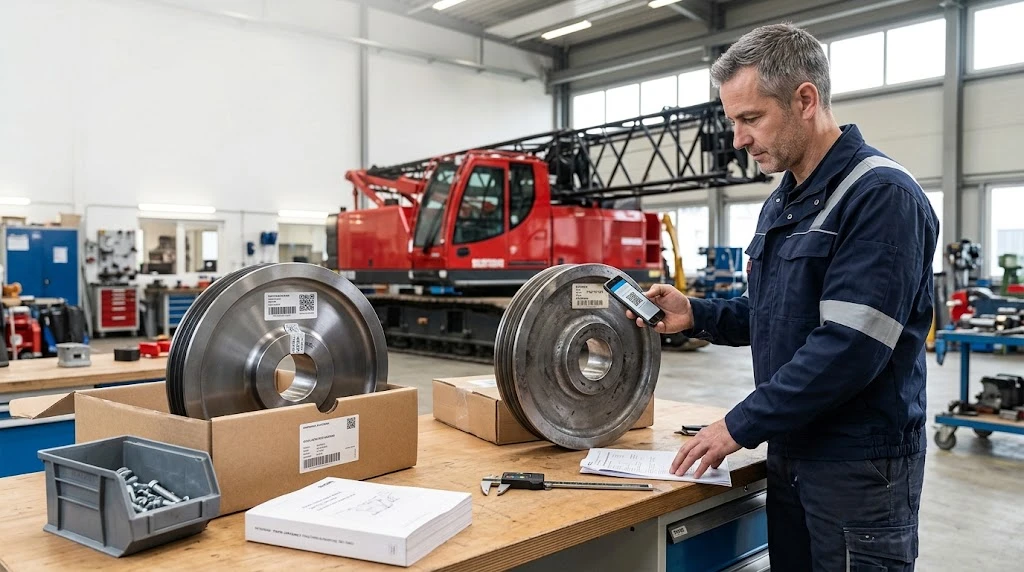
Unexpected equipment failures create immediate chaos. A crane that stops working halts everything around it. Schedules collapse. Clients lose confidence. Every hour of downtime carries a real financial cost.
When a replacement part is needed, the natural instinct is to move fast. That speed, however, introduces serious risk. Counterfeit components have become widespread in the replacement market. They look legitimate on the surface. Once installed on a crane, they can fail dramatically.
The Growth of the Counterfeit Market
Supply chain disruptions over recent years made this problem far worse. Factory lead times stretched unpredictably. Some operators waited months for essential items. Many began buying from unfamiliar vendors just to resume operations.
Counterfeiters recognized the opportunity immediately. They refined their production methods considerably. Modern fakes are genuinely difficult to identify. A casual glance will not reveal them.
The premium attached to Manitowoc parts makes them especially attractive to counterfeiters. They invest effort in replicating logos and packaging. Buyers must therefore approach each purchase with a verification mindset.
What Counterfeits Really Cost
The impact of a counterfeit component varies widely. Some cause only minor problems. A fake filter might clog earlier than expected. A cheap O-ring might develop a slow leak. Annoying, but manageable.
Critical components present far greater danger. A counterfeit hoist brake can release a suspended load. A fake swing bearing can cause the upper structure to rotate uncontrollably. These failures put lives at risk.
Financial damage also accumulates quickly. Counterfeit parts wear out faster than genuine ones. They frequently damage nearby components when they fail. Once a non-genuine part is installed, your OEM warranty becomes void.
Insurance exposure deserves careful consideration. After a serious incident, investigators examine the failed components. A confirmed counterfeit can lead to a denied claim. You then face property damage costs, injury claims, and legal fees alone. A modest saving on a part can trigger enormous financial losses.
Step 1: Buy Through Authorized Channels
The most reliable defense is purchasing from authorized dealers. These dealers maintain direct factory relationships. They never source inventory from third-party brokers. Every part they sell traces back to the manufacturer.
If you consider a secondary supplier, request written proof of authorization. Verbal assurances carry no weight. Contact the manufacturer directly to confirm dealer status. They keep records of legitimate sellers.
Step 2: Inspect the Packaging
Genuine packaging reflects careful production standards. Authentic boxes feel sturdy and display exact brand colors. Examine the print quality closely. Sharp text and clean graphics suggest authenticity.
Counterfeit packaging often reveals obvious flaws. Watch for typos, misspelled words, or blurry logos. Faded colors provide another warning. High-value crane parts typically include holographic stickers and tamper-evident seals. Packaging that looks cheaply printed deserves immediate suspicion.
Step 3: Examine the Component
With the part removed from its box, study it carefully. Compare its weight against a known genuine component. Counterfeiters use inferior materials to reduce costs. Fakes often feel noticeably lighter.
Surface appearance offers additional clues. Genuine machined metal looks bright and clean. Counterfeit metal may appear dull. Rubber components on fakes often feel brittle or emit a chemical odor.
Machining quality reveals production standards. Authentic parts have clean edges and precise threads. Rough burrs or uneven finishes indicate poor quality. Casting numbers should match the box label exactly. Blank spaces or mismatched numbers are significant warnings.
Hydraulic hoses require specific attention. OEM crimps are uniform and exact. Counterfeit hoses show uneven crimps or loose fittings. Running a thumb along a machined edge can expose roughness where smoothness should exist.
Step 4: Verify Documentation
Legitimate parts arrive with legitimate documents. Critical components should include certificates of authenticity or material test reports. These papers confirm origin and quality.
Serial numbers provide independent verification. Every major component carries a unique identifier. Record the number and enter it into the manufacturer’s online portal. The system will confirm whether the part matches its description.
Discrepancies signal counterfeits. If the database describes a hoist motor but you hold a hydraulic valve, the part is fake. Missing paperwork is equally troubling. A supplier claiming to have forgotten the documents is offering an excuse, not a solution.
Step 5: Question Unusually Low Prices
Everyone appreciates finding a good deal. But heavy machinery components carry legitimate costs. Engineering, materials, and testing contribute to the final price. A quote far below dealer pricing should raise questions.
A 40% discount is not a bargain. It is a counterfeit warning. Counterfeiters use low prices to attract buyers under pressure. They understand the need to keep projects moving. Paying more for a verified part prevents much larger expenses later.
Step 6: Use Digital Verification Tools
Manufacturers have invested in digital tracking systems. Many newer components carry QR codes or RFID tags. These features enable instant authentication.
Download the relevant tracking application for your equipment. Scan the code on the component. The system should display production date, shipping details, and warranty status. A code leading to a blank page or suspicious website indicates a fake.
Step 7: Trust Experienced Technicians
Seasoned mechanics develop strong instincts about their equipment. When a senior technician questions a component, listen carefully. They handle these parts daily. They recognize the weight, texture, and sound of genuine components.
Build a culture where questions are encouraged. No one should feel pressured to install a suspect part. Delaying a repair by one day to verify authenticity is far preferable to risking an accident.
Commonly Counterfeited Parts
Knowing which items attract counterfeiters helps focus your attention. High-volume, quick-turn products are common targets. These sell rapidly and often escape close scrutiny.
Filters rank among the most frequently faked items. A counterfeit filter may look identical externally. Internally, it lacks proper filtration media. Contaminants pass directly into hydraulic systems. Pumps and valves eventually suffer damage.
Seals and O-rings are also commonly copied. A cheap seal ruptures under pressure and leaks oil. Bearings represent another major risk. A counterfeit bearing can shatter under heavy loads. Even small purchases deserve thorough verification.
Staying Alert Over Time
Counterfeit components threaten both safety and profitability. No operation can afford to gamble on critical equipment. Purchase through authorized dealers. Inspect packaging. Examine materials. Verify serial numbers.
Choosing genuine Manitowoc parts protects your investment and your people. You gain confidence that each component meets design specifications. Your crew stays safe. Your projects remain on schedule. Do the verification work, and keep your operation running reliably.
Comments
No comments yet. Be the first to react!