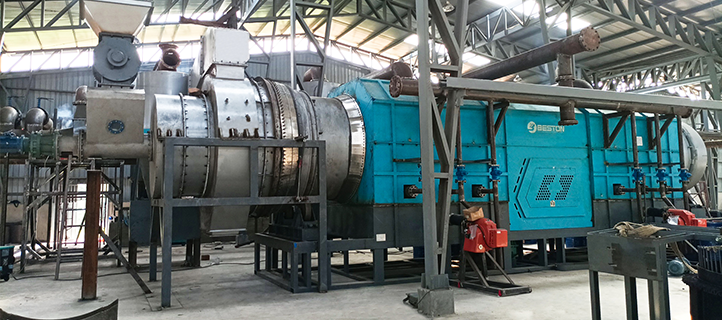
Biochar carbon removal projects have emerged as an important pathway within the carbon management sector, combining biomass utilization, long-term carbon storage, and sustainable resource management. Unlike conventional industrial projects that generate revenue primarily through physical products, biochar carbon removal projects operate through a hybrid business model involving biomass procurement, thermal conversion, carbon accounting, certification, and credit commercialization.
Successful project management requires more than installing production equipment. Long-term performance depends on maintaining operational consistency, ensuring carbon integrity, optimizing resource flows, and building reliable market relationships.
Establishing a Reliable Biomass Supply System
Feedstock management is the foundation of a successful biochar carbon removal project. The availability, quality, and sustainability of biomass directly influence both biochar production equipment efficiency and carbon removal credibility.
Common feedstock sources include:
- Forestry residues
- Agricultural waste
- Sawdust
- Crop byproducts
- Processing industry residues
Key supply considerations include:
- Long-term availability
- Moisture content stability
- Transportation distance
- Contamination control
- Sustainability documentation
A fragmented or unreliable feedstock supply chain can reduce plant utilization rates and increase operating costs. Establishing agreements with multiple suppliers helps reduce supply disruption risks and improves production predictability.
Designing Efficient Biochar Production Operations
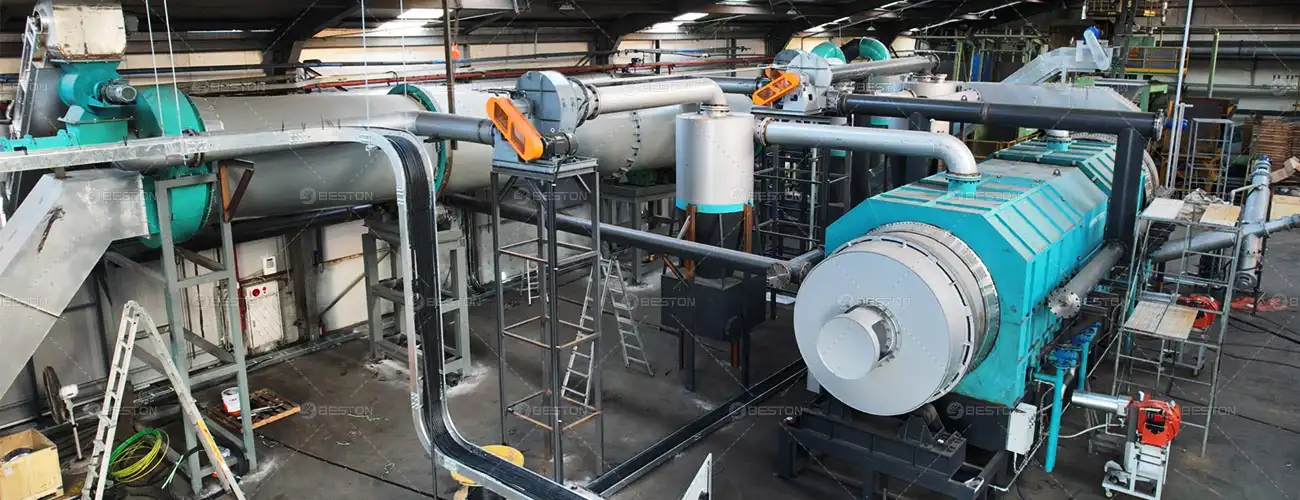
The core of a carbon removal project is the conversion process that transforms biomass into stable carbon-rich material. Operational efficiency determines production volume, energy consumption, and final biochar characteristics.
Important operational parameters include:
- Reactor temperature
- Residence time
- Heating efficiency
- Feedstock preparation
- Gas utilization efficiency
A well-designed biochar pyrolysis equipment should maintain stable operating conditions while adapting to variations in biomass properties.
Process optimization is an ongoing activity rather than a one-time adjustment. Regular evaluation of production data helps identify opportunities to improve yield, reduce energy consumption, and maintain consistent product quality.
Maintaining Carbon Removal Integrity
The value of a biochar carbon removal project depends heavily on the credibility of its carbon storage claims. Carbon buyers and certification organizations require detailed evidence demonstrating that the removal process delivers measurable and durable climate benefits.
Key carbon accounting factors include:
- Biomass origin verification
- Carbon content measurement
- Production emission calculation
- Energy consumption tracking
- Biochar stability assessment
- Transportation impact evaluation
Accurate documentation throughout the project lifecycle supports reliable carbon quantification and reduces verification risks.
A strong monitoring framework ensures that carbon removal claims are supported by transparent operational data.
Implementing Digital Monitoring and Data Management
Data management has become a critical component of modern carbon removal operations. Digital monitoring systems improve operational visibility while supporting measurement, reporting, and verification requirements.
Important data points include:
- Feedstock input quantity
- Operating temperature profiles
- Energy consumption
- Biochar output volume
- Equipment operating hours
- Emission information
Automated data collection reduces manual reporting errors and improves audit readiness. Digital infrastructure also enables operators to identify performance deviations before they affect production output.
A robust data architecture strengthens both operational management and carbon market participation.
Managing Certification and Carbon Credit Issuance
Carbon removal projects depend on credible certification pathways to access premium carbon markets. Certification provides third-party validation of carbon storage performance and environmental impact.
Project operators should prepare for:
- Methodology requirements
- Documentation reviews
- Verification procedures
- Periodic audits
- Credit issuance processes
Maintaining certification readiness requires continuous operational discipline. Incomplete records or inconsistent production data may delay credit issuance or reduce buyer confidence.
Successful projects integrate certification requirements into daily management rather than treating verification as an occasional administrative task.
Building Multiple Revenue Streams
Although carbon credits are a major revenue source, financially resilient projects often develop additional value channels.
Potential revenue streams include:
- Biochar sales for agriculture
- Soil improvement applications
- Industrial carbon material markets
- Renewable energy utilization
- Environmental service partnerships
Diversifying income sources reduces dependence on carbon credit price fluctuations and improves long-term financial stability.
High-quality biochar with verified performance characteristics can access specialized markets where customers value both environmental benefits and material functionality.
Maintaining Equipment Reliability and Operational Continuity
Production interruptions directly affect both product output and carbon credit generation. Equipment reliability is therefore a major factor in project profitability.
Maintenance management should include:
- Preventive inspections
- Spare parts planning
- Equipment performance monitoring
- Operator training
- Emergency response procedures
Continuous improvement programs help extend equipment lifespan and reduce unexpected downtime.
Stable operation also improves confidence among carbon buyers by demonstrating consistent project performance.
Developing Strong Market Relationships
Carbon removal projects operate within a rapidly evolving market environment. Building long-term relationships with buyers, certification organizations, suppliers, and local stakeholders is essential.
Important market management activities include:
- Understanding buyer requirements
- Maintaining transparent communication
- Providing reliable project documentation
- Demonstrating environmental performance
Strong market positioning improves access to premium carbon removal opportunities and supports long-term commercial growth.
Creating a Scalable Project Management Framework
A successful biochar carbon removal project requires integration across technical, environmental, and commercial dimensions. Feedstock supply, production efficiency, carbon verification, digital monitoring, and market development must operate as interconnected systems.
Long-term success depends on continuous optimization rather than short-term performance. Projects that maintain operational discipline, protect carbon integrity, and adapt to evolving market conditions are better positioned to achieve durable financial and environmental value.
By combining reliable biomass management, efficient production practices, rigorous carbon accounting, and strategic market development, biochar carbon removal projects can evolve from experimental initiatives into scalable climate solutions with sustainable commercial potential.

Comments
No comments yet. Be the first to react!