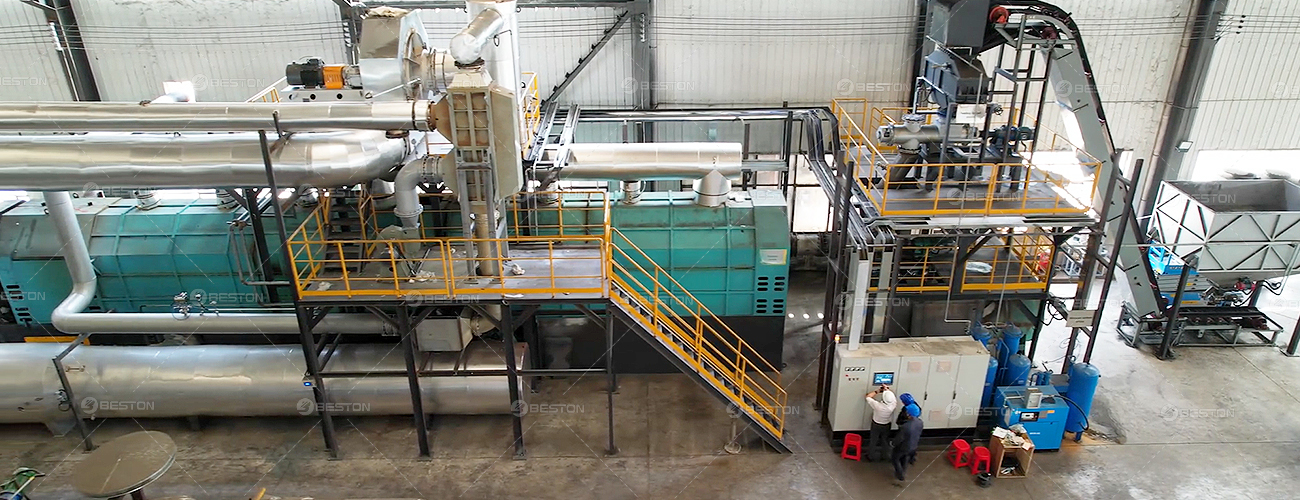
Site selection is one of the most influential decisions in the development of a plastic pyrolysis project. While equipment design, feedstock availability, and product markets determine operational performance, the project location affects logistics efficiency, environmental compliance, construction cost, and long-term profitability.
Plastic pyrolysis facilities require more than available land. The selected site must support waste collection, energy supply, transportation access, environmental protection requirements, and future expansion potential. A poorly selected location may increase operational expenses, create regulatory difficulties, and limit commercial opportunities.
A comprehensive site evaluation should consider multiple factors, including feedstock supply radius, infrastructure conditions, emission management requirements, community impact, and regional industrial development policies.
Feedstock Availability and Supply Chain Efficiency
The availability of suitable plastic waste is one of the primary considerations in site selection. Waste plastic pyrolysis plant depends on a stable and reliable feedstock supply to maintain continuous operation.
Transportation distance has a direct impact on project economics. Because waste plastic often has a relatively low bulk density, long-distance transportation can significantly increase logistics expenses. Establishing a facility close to major waste generation sources, such as recycling centers, industrial parks, municipal waste collection facilities, or manufacturing clusters, can reduce material transportation costs.
Feedstock quality is equally important. Different plastic types have different thermal characteristics and processing requirements. A suitable site should provide access to consistent plastic streams with manageable contamination levels.
Regional waste management infrastructure should also be evaluated. Areas with established collection networks and recycling activities often provide better opportunities for securing long-term feedstock contracts.

Industrial Infrastructure and Utility Availability
Plastic into fuel machine requires reliable infrastructure support. The selected site should have access to essential utilities, including electricity, water supply, fuel resources, and industrial communication networks.
Electricity is required for auxiliary equipment such as feeding systems, control units, pumps, and monitoring devices. Stable power supply helps maintain consistent operation and prevents production interruptions.
Water availability may also influence project design, particularly when exhaust treatment systems or cooling processes require water circulation. Sites with insufficient water resources may require additional investment in alternative cooling solutions.
Industrial zones often provide advantages because they already have supporting infrastructure, waste management services, and regulatory frameworks for industrial operations. Existing roads, power networks, and industrial facilities can reduce construction complexity and accelerate project development.
Transportation Access and Product Distribution
Transportation conditions influence both incoming feedstock logistics and outgoing product distribution. Plastic pyrolysis projects typically produce products such as pyrolysis oil, recovered carbon material, and combustible gas, which require efficient transportation channels.
Sites located near highways, ports, rail networks, or industrial transportation hubs generally provide better market connectivity. Efficient transportation reduces delivery costs and improves access to downstream users.
The location should also consider the weight and volume relationship between raw materials and finished products. While waste plastic may require frequent inbound transportation, higher-value products may be shipped to specialized industrial customers. A strategically positioned facility can optimize both directions of material flow.
Environmental Compliance and Community Considerations
Environmental factors are critical in the site selection process. Plastic pyrolysis projects must meet local requirements related to air emissions, noise control, waste management, and industrial safety.
Sites near residential communities may face greater challenges during environmental assessment. Public concerns regarding odor, emissions, and traffic impact can influence project approval timelines.
Industrial areas with appropriate zoning classifications usually provide a more suitable development environment. However, even industrial locations require careful evaluation of surrounding ecosystems, groundwater conditions, and environmental sensitivity.
The site should also allow sufficient space for emission control equipment, storage areas, safety zones, and future facility upgrades. Adequate site planning improves operational safety and supports regulatory compliance.
Climate Conditions and Operational Stability
Regional climate conditions can influence equipment performance and operating efficiency. Temperature, humidity, rainfall, and extreme weather events should be considered during site evaluation.
High humidity environments may affect plastic storage and preprocessing requirements. Extreme temperatures may influence cooling systems, insulation requirements, and equipment protection measures.
Areas with stable climatic conditions generally provide more predictable operation. For locations exposed to severe weather risks, additional engineering measures may be required to improve facility resilience.
Future Expansion and Industrial Integration
A suitable site should support not only initial construction but also future development. As plastic recycling markets expand, many projects may require additional processing capacity or upgraded production systems.
Land availability, industrial zoning flexibility, and surrounding development potential should therefore be considered. A location with room for expansion can reduce future relocation risks and support long-term business growth.
Integration with nearby industries can also create additional value. For example, recovered pyrolysis oil may supply chemical manufacturers, while carbon-based products may serve industrial applications. Establishing connections within an industrial ecosystem can improve resource efficiency and commercial competitiveness.
Building a Reliable Foundation for Plastic Pyrolysis Projects
The success of a plastic pyrolysis project depends heavily on selecting a location that balances economic, environmental, and operational requirements. An ideal site provides stable feedstock access, efficient transportation, reliable infrastructure, and a supportive regulatory environment.
Site selection should be treated as a strategic decision rather than a simple land acquisition process. Comprehensive evaluation during the early development stage can reduce future risks, improve project economics, and create stronger conditions for sustainable operation.
By choosing a location aligned with supply chains, environmental standards, and market opportunities, plastic pyrolysis projects can achieve more efficient resource recovery while supporting the transition toward a circular economy.

Comments
No comments yet. Be the first to react!