As global energy demand continues to rise, industries and households are increasingly searching for cleaner and more sustainable fuel options. Traditional coal, while still widely used, is one of the largest contributors to greenhouse gas emissions, air pollution, and environmental degradation. In contrast, sawdust charcoal has emerged as a promising eco-friendly alternative that not only reduces environmental impact but also makes efficient use of biomass waste.
Sawdust charcoal is produced from compressed or carbonized sawdust, a byproduct of wood processing industries. Instead of being discarded or burned openly, sawdust is transformed into a high-energy fuel source through controlled carbonization. This process significantly reduces waste while creating a renewable energy product with strong commercial and environmental value.
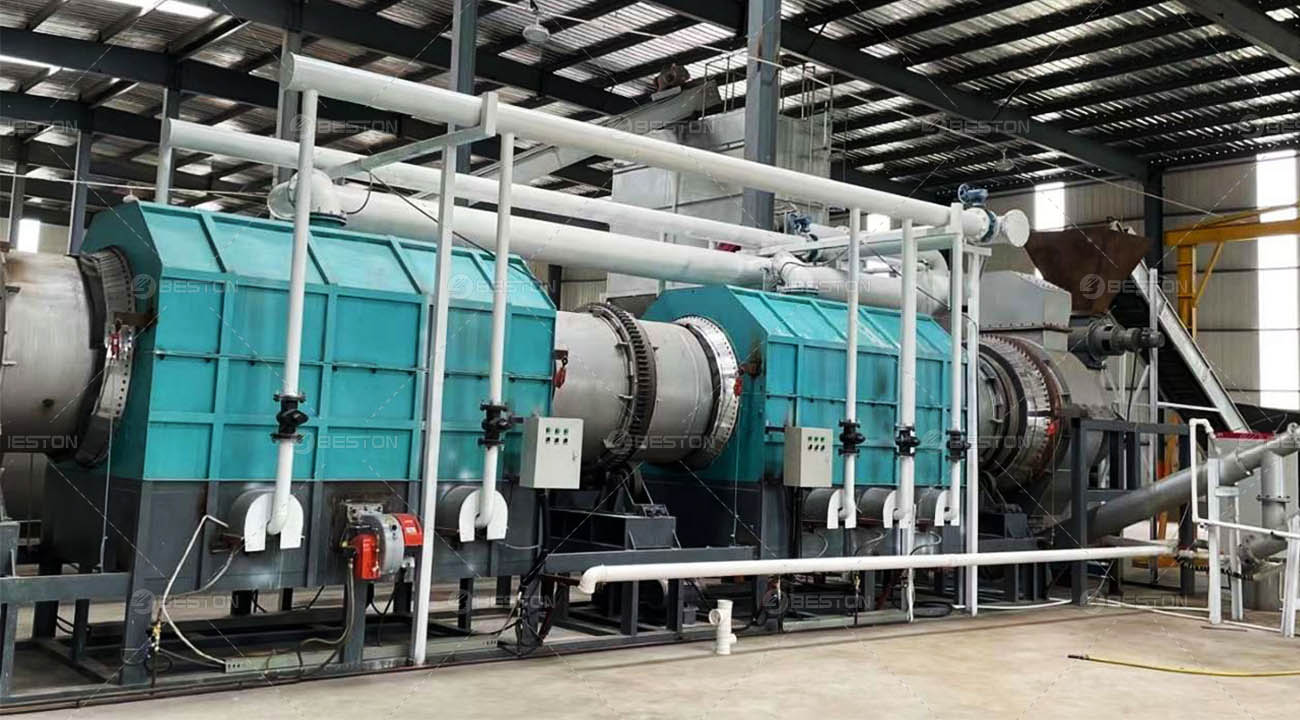
At the heart of this transformation is the sawdust charcoal making machine, which converts raw sawdust into uniform charcoal briquettes or carbonized fuel blocks. These machines use high-temperature pyrolysis in an oxygen-limited environment to ensure efficient carbon conversion while minimizing harmful emissions. By controlling temperature, pressure, and feedstock conditions, modern systems can produce high-quality charcoal with consistent density and calorific value.
- A Cleaner Alternative to Fossil Fuels
One of the most significant advantages of sawdust charcoal is its reduced environmental footprint compared to traditional coal. When burned, coal releases large amounts of carbon dioxide, sulfur dioxide, and particulate matter, all of which contribute to climate change and respiratory health issues.
Sawdust charcoal, on the other hand, is considered carbon-neutral in many cases because the carbon it releases was originally absorbed by trees during their growth cycle. In addition, its production process captures and stabilizes carbon in solid form, preventing immediate release into the atmosphere.
This makes sawdust charcoal a preferred option for industries aiming to meet stricter environmental regulations and reduce their carbon emissions.
- Efficient Use of Biomass Waste
Another key advantage is waste utilization. The wood processing industry generates millions of tons of sawdust every year, much of which is underutilized or burned in an uncontrolled manner. This not only wastes potential energy but also contributes to pollution.
By converting sawdust into charcoal, industries can turn a low-value byproduct into a high-value energy resource. This supports the principles of the circular economy, where waste materials are continuously reused rather than discarded.
The process also reduces pressure on natural forests, as less reliance on traditional charcoal production means fewer trees need to be cut down for fuel production.
- High Energy Efficiency and Stable Combustion
Sawdust charcoal offers several performance advantages over raw biomass and even some types of coal. Due to its uniform structure and higher fixed carbon content, it burns more consistently and efficiently.
Key performance benefits include:
Higher calorific value compared to raw wood Lower moisture content, resulting in more stable combustion Reduced smoke and ash production Easier ignition and longer burning time
These properties make it especially suitable for industrial heating, barbecue fuel, metallurgical processes, and small-scale power applications.
- Environmental and Health Benefits
Air pollution from traditional coal combustion is a major public health issue in many regions. Fine particulate matter and toxic gases contribute to respiratory diseases and environmental damage.
Sawdust charcoal produces significantly fewer pollutants during combustion. It emits less smoke, contains fewer impurities, and generates lower levels of sulfur and nitrogen compounds. This results in improved air quality, especially in areas where biomass or coal is widely used for cooking and heating.
Additionally, because sawdust charcoal is often produced from waste materials, its lifecycle emissions are considerably lower than fossil fuel-based alternatives.
- Economic Advantages for Producers and Users
From an economic perspective, sawdust charcoal is highly attractive due to its low raw material cost and increasing market demand. Sawdust is often inexpensive or even free, depending on industrial supply availability.
With the help of a modern sawdust charcoal making machine, producers can achieve efficient continuous production with relatively low operational costs. Automation and improved thermal efficiency further reduce labor and energy expenses.
For end users, sawdust charcoal offers a cost-effective fuel source that performs comparably to traditional coal but with fewer environmental penalties and regulatory restrictions.
- Growing Role in Sustainable Energy Systems
As governments and industries shift toward renewable energy and carbon reduction strategies, sawdust charcoal is gaining attention as a transitional fuel. It is not a complete replacement for all fossil fuels, but it plays an important role in reducing dependence on coal in sectors where electrification is not yet feasible.
Its integration into industrial heating systems, rural energy supply chains, and even carbon credit markets highlights its growing importance in the global energy transition.
Conclusion
Sawdust charcoal represents a powerful intersection of waste management, renewable energy, and environmental protection. Compared to traditional coal, it offers cleaner combustion, lower emissions, and a more sustainable production cycle.
With the support of advanced technologies such as the sawdust charcoal making machine, this fuel source is becoming more efficient, scalable, and economically viable. As the world continues to prioritize decarbonization and circular economy solutions, sawdust charcoal stands out as one of the most practical and impactful alternatives available today.

Comments
No comments yet. Be the first to react!