Southeast Asia has long been recognized as one of the world’s most important coconut-producing regions. Countries including Indonesia, the Philippines, Vietnam, Thailand, and Malaysia generate millions of tons of coconuts every year, creating an abundant supply of coconut shells as an agricultural by-product. Traditionally, a portion of these shells has been discarded, openly burned, or used as low-value fuel. However, growing global demand for renewable carbon materials, barbecue charcoal, activated carbon, and sustainable biomass products is transforming coconut shell into a valuable industrial resource.
For investors and manufacturers, the question is no longer whether coconut shell is available, but whether a coconut shell charcoal production project can remain commercially competitive over the long term. The answer depends on feedstock availability, market demand, production technology, logistics, and environmental compliance.
Abundant Feedstock Creates a Strong Foundation
One of Southeast Asia’s greatest competitive advantages is its stable supply of coconut shell.
Major feedstock sources include:
- Coconut processing factory
- Copra producer
- Coconut oil manufacturer
- Coconut beverage processor
- Agricultural cooperative
- Coconut export facility
Because coconut processing generates shells as a natural by-product, feedstock is available without requiring additional tree harvesting. This supports resource efficiency while reducing raw material costs.
Many processing facilities also produce coconut shell throughout the year, providing relatively stable feedstock for continuous coconut shell charcoal machine.
Long-term supply agreements with coconut processors can further improve operational stability.
Growing Global Demand for Coconut Shell Charcoal
Coconut shell charcoal is widely recognized for its high density, low volatile content, and favorable combustion characteristics.
Its primary applications include:
- Barbecue fuel
- Activated carbon production
- Industrial fuel
- Metallurgical application
- Water purification
- Air filtration
Among these markets, activated carbon manufacturing represents one of the largest sources of demand.
Because coconut shell contains a dense lignocellulosic structure, it produces charcoal with excellent mechanical strength and well-developed microporosity after activation. These characteristics make charcoal machine particularly suitable for filtration and purification industries.
International demand continues to expand as water treatment, food processing, and environmental applications grow worldwide.
Southeast Asia Has an Established Export Advantage
Many Southeast Asian countries already possess mature export infrastructure for agricultural commodities.
Important logistical advantages include:
- International seaports
- Container shipping networks
- Export processing zones
- Biomass trading experience
- Competitive freight services
These established logistics systems simplify the export of coconut shell charcoal to markets in Asia, Europe, the Middle East, and North America.
Proximity to international shipping routes also reduces transportation costs compared with inland production regions.
Technology Improves Production Efficiency
Traditional charcoal production methods often suffer from inconsistent product quality, low energy efficiency, and uncontrolled emissions.
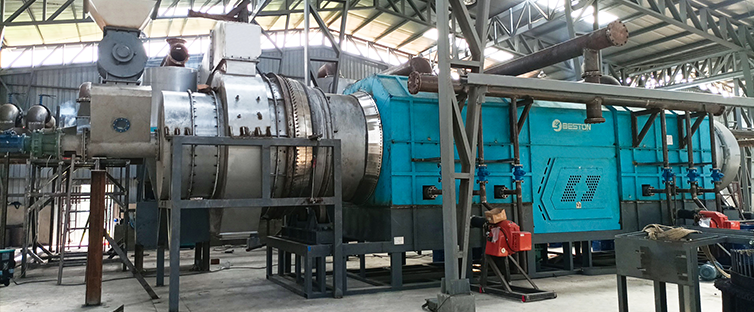
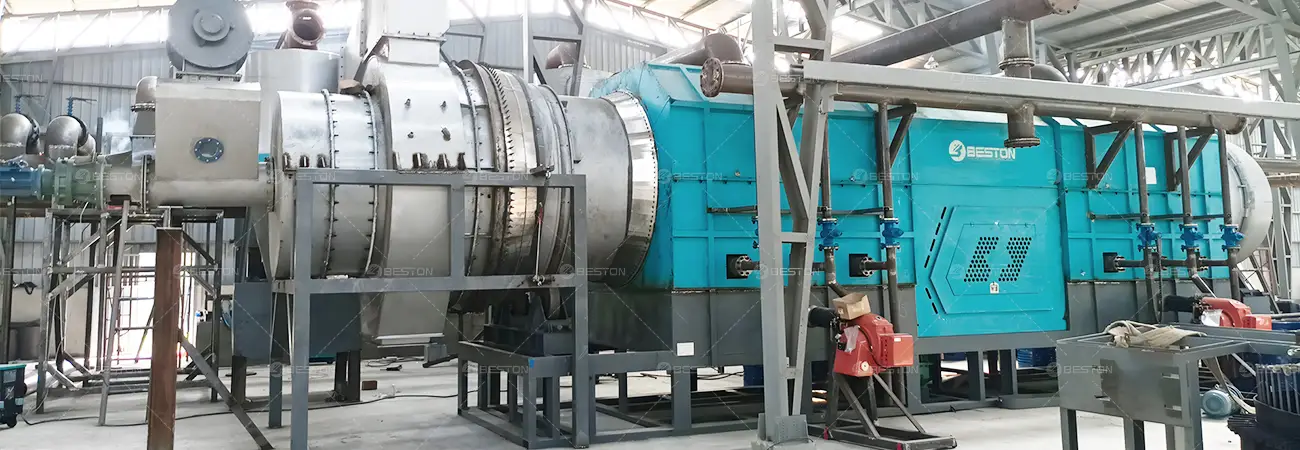
Modern carbonization technology significantly improves performance through:
- Continuous operation
- Automated temperature control
- Stable feedstock feeding
- Combustible gas recovery
- Advanced emission treatment
Recovering combustible process gas for internal heating reduces external fuel consumption while improving overall thermal efficiency.
Automation also produces more consistent charcoal quality, supporting customers with strict product specifications.
Environmental Regulations Are Becoming More Important
Although Southeast Asia offers abundant biomass resources, environmental regulations are gradually becoming more stringent.
Modern charcoal production facilities should incorporate:
- Dust collection systems
- Off-gas treatment
- Combustible gas utilization
- Wastewater management
- Noise control
Facilities designed with efficient environmental protection systems are better positioned to obtain operating permits and maintain long-term compliance.
Environmentally responsible production also improves acceptance among international customers increasingly focused on sustainable sourcing.
Feedstock Quality Requires Careful Management
Although coconut shell is widely available, maintaining consistent feedstock quality remains essential.
Production facilities should evaluate:
- Moisture content
- Shell cleanliness
- Particle size
- Storage condition
- Foreign material contamination
Proper storage protects feedstock from excessive moisture while reducing biological degradation.
Consistent raw material quality contributes directly to stable carbonization performance and uniform charcoal properties.
Investment Opportunities Beyond Traditional Charcoal
The commercial value of coconut shell extends beyond conventional charcoal markets.
Potential business opportunities include:
- Activated carbon feedstock
- Premium barbecue charcoal
- Industrial carbon material
- Biochar production
- Carbon removal project
- Renewable biomass utilization
As voluntary carbon markets continue to develop, some producers are also evaluating biochar production pathways that generate long-term carbon sequestration in addition to product sales.
Diversified product strategies can improve project resilience while reducing dependence on a single market segment.
Challenges Investors Should Consider
Despite favorable market conditions, successful project development requires careful planning.
Important considerations include:
- Feedstock procurement strategy
- Site selection
- Utility availability
- Transportation cost
- Labor availability
- Equipment reliability
- Product certification
- Market diversification
Competition for high-quality coconut shell may increase in regions with expanding activated carbon production. Long-term supply agreements therefore become increasingly valuable.
Developers should also evaluate regional differences in labor costs, infrastructure quality, and regulatory requirements before selecting a project location.
Long-Term Market Outlook
Several structural trends continue to support the long-term outlook for coconut shell charcoal production in Southeast Asia:
- Stable coconut production
- Increasing activated carbon demand
- Growth of renewable carbon markets
- Expanding biomass utilization
- Improved industrial infrastructure
- Rising international demand for sustainable products
While market conditions differ among individual countries, Southeast Asia remains one of the world’s most competitive regions for coconut shell processing due to its abundant feedstock and well-developed export capabilities.
Why Southeast Asia Remains a Leading Region for Coconut Shell Charcoal
Coconut shell charcoal production in Southeast Asia offers strong long-term potential because it combines abundant renewable biomass, established agricultural industries, expanding export infrastructure, and growing global demand for high-value carbon products. Success, however, depends on more than raw material availability. Stable feedstock sourcing, modern carbonization technology, efficient environmental management, reliable logistics, and diversified product applications are all essential for maintaining long-term competitiveness.
For project developers and investors seeking opportunities in renewable biomass utilization, Southeast Asia continues to provide one of the most favorable environments for developing efficient and sustainable coconut shell charcoal production facilities capable of serving both domestic and international markets.
Comments
No comments yet. Be the first to react!