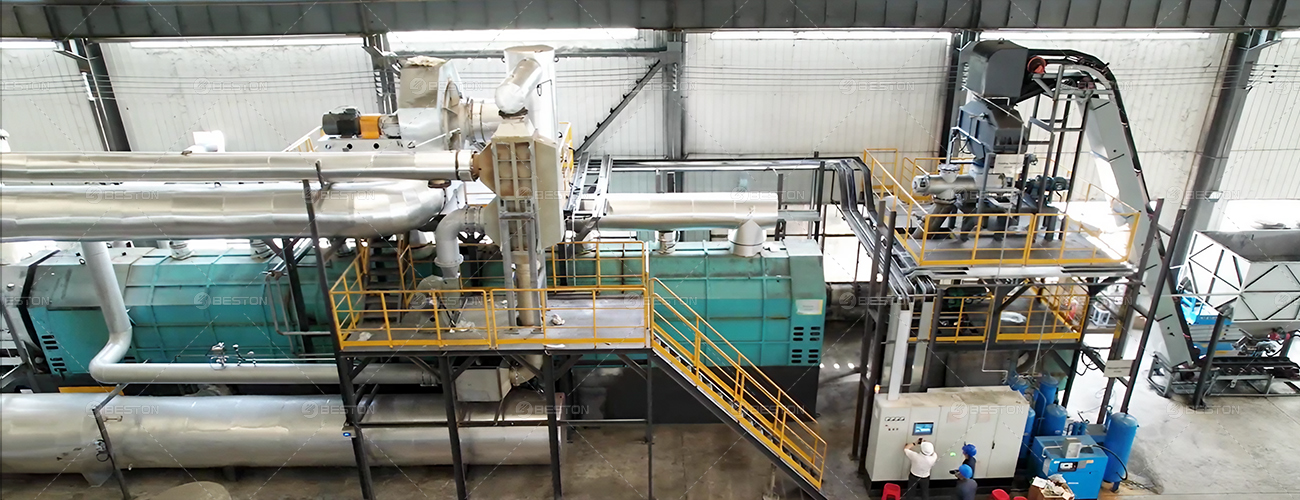
Plastic pyrolysis has emerged as a strategic technology for converting waste polymers into reusable energy products and chemical feedstocks. While pyrolysis oil often receives the most commercial attention, syngas generated during thermal decomposition represents another critical resource stream. In a modern pyrolysis plant, syngas is no longer treated merely as a secondary by-product; it increasingly functions as an internal energy carrier, process fuel, and industrial utility resource.
Efficient syngas utilization improves energy efficiency, reduces operational costs, lowers carbon intensity, and enhances the economic viability of plastic pyrolysis projects. As energy integration technologies evolve, syngas management has become a central component of advanced plastic pyrolysis machine design.
Formation of Syngas During Plastic Pyrolysis
Thermal Decomposition Mechanism
During pyrolysis, plastic polymers undergo thermal cracking under oxygen-limited conditions. Long hydrocarbon chains decompose into condensable oil fractions, solid residues, and non-condensable gases. These gases collectively form syngas, primarily composed of hydrogen, methane, carbon monoxide, ethylene, ethane, and other light hydrocarbons.
The composition of syngas depends heavily on feedstock type, reactor temperature, residence time, and catalytic conditions within the pyrolysis plant.
Influence of Plastic Feedstock
Polyolefin plastics such as polyethylene and polypropylene typically generate syngas with high calorific value because of their elevated hydrogen and hydrocarbon content. Polystyrene may increase aromatic gas fractions, while chlorine-containing plastics such as PVC introduce corrosive compounds that complicate gas treatment and utilization.
Feedstock selection therefore directly affects syngas quality and downstream application potential.

Internal Energy Recovery Applications
Reactor Heating Integration
One of the most common syngas utilization strategies involves recirculating purified gas into the reactor heating system. Instead of relying entirely on external fuel sources such as diesel, natural gas, or coal, the pyrolysis unit can combust internally generated syngas to maintain reactor operating temperature.
This closed-loop energy configuration significantly reduces fuel consumption and lowers operational expenditure.
Burner System Optimization
Modern pyrolysis plants increasingly integrate automated burner systems capable of adjusting syngas-air ratios in real time. Stable combustion improves thermal efficiency, minimizes soot formation, and reduces unburned hydrocarbon emissions.
Optimized burner integration also stabilizes reactor temperature distribution, improving pyrolysis oil quality and operational consistency.
Electricity Generation Potential
Gas Engine Integration
Syngas with sufficient calorific value may be utilized in gas engines or turbines for electricity generation. In integrated waste-to-energy facilities, surplus syngas can partially supply plant electrical demand, reducing grid dependency and improving energy self-sufficiency.
Electricity generated from pyrolysis syngas may support auxiliary equipment such as conveyors, pumps, condensers, shredders, and digital monitoring systems.
Combined Heat and Power Systems
Combined heat and power configurations allow simultaneous production of thermal energy and electricity from syngas combustion. Waste heat recovered from exhaust gases can be redirected toward feedstock drying, reactor preheating, or secondary industrial applications.
This cogeneration approach substantially increases overall energy utilization efficiency within the pyrolysis plant.
Syngas Upgrading and Purification
Tar and Particulate Removal
Raw pyrolysis syngas often contains tar aerosols, char particles, and condensable organic compounds. Without purification, these contaminants may damage burners, pipelines, engines, and heat exchangers.
Cyclones, condensers, scrubbers, and filtration systems are therefore essential components of syngas conditioning infrastructure. Effective gas cleaning improves combustion stability and extends equipment lifespan.
Acid Gas Treatment
Plastic pyrolysis gas may contain sulfur compounds, chlorine-containing gases, and acidic vapors depending on feedstock composition. Wet scrubbers and alkaline neutralization systems reduce corrosive contaminants and improve gas quality for industrial utilization.
Advanced gas treatment also helps pyrolysis plants comply with tightening environmental emission regulations.
Hydrogen Recovery Opportunities
Hydrogen-Rich Gas Fraction
Certain plastic feedstocks produce syngas with relatively high hydrogen concentration. As hydrogen demand expands across industrial decarbonization sectors, plastic pyrolysis may become a supplementary hydrogen source under selected process conditions.
Catalytic reforming and gas separation technologies can further enrich hydrogen content within the syngas stream.
Industrial Decarbonization Potential
Recovered hydrogen may support refinery operations, chemical synthesis, fuel cell applications, or low-carbon industrial heating systems. Although large-scale hydrogen purification remains technically complex, ongoing technological advancements continue improving commercial feasibility.
Chemical Feedstock Applications
Syngas as a Synthesis Intermediate
Purified syngas containing hydrogen and carbon monoxide can serve as a chemical synthesis feedstock. Industrial processes such as methanol synthesis, Fischer-Tropsch fuel production, and ammonia manufacturing rely on syngas chemistry.
While most plastic pyrolysis plants currently prioritize direct energy recovery, future facilities may increasingly integrate chemical upgrading pathways to improve product diversification.
Circular Carbon Utilization
Using syngas as a chemical precursor supports circular carbon strategies by reintegrating waste-derived carbon into industrial production chains rather than releasing it into the atmosphere.
This approach aligns with broader industrial sustainability and carbon reduction objectives.
Operational Challenges in Syngas Utilization
Composition Variability
One of the primary operational challenges is syngas composition fluctuation caused by inconsistent plastic feedstock and unstable reactor conditions. Variability in gas composition affects combustion behavior, calorific value, and equipment performance.
Advanced process monitoring and automated gas analysis systems help stabilize utilization efficiency within the pyrolysis plant.
Corrosion and Equipment Durability
Contaminants such as chlorine compounds and sulfur gases accelerate corrosion in burners, pipelines, and heat exchangers. Material selection, gas purification, and thermal management are critical for ensuring long-term system reliability.
Safety and Explosion Risk
Syngas contains combustible components with high ignition potential. Improper gas handling may create explosion hazards or pressure instability. Modern pyrolysis facilities therefore integrate gas leak detection, pressure control systems, emergency flaring units, and automated shutdown protocols.
Environmental Benefits of Syngas Recovery
Reduced Fossil Fuel Dependency
Utilizing internally generated syngas reduces reliance on external fossil fuels for reactor heating and electricity generation. This lowers the overall carbon intensity of plastic pyrolysis operations.
Emission Reduction
Controlled syngas combustion minimizes uncontrolled venting of hydrocarbons and volatile gases. Integrated gas utilization systems therefore improve both energy efficiency and environmental performance.
Future Development of Syngas Utilization
As plastic pyrolysis technology advances, syngas utilization is expected to evolve beyond basic thermal recovery toward integrated energy and chemical production systems. Improvements in gas purification, hydrogen separation, digital process optimization, and cogeneration technologies will further enhance the strategic value of syngas within the pyrolysis plant ecosystem.
In future circular economy frameworks, syngas may become one of the most important contributors to the energy efficiency, carbon reduction capability, and economic sustainability of plastic pyrolysis infrastructure.
Comments
No comments yet. Be the first to react!