In the mining and construction aggregate industry, choosing the right crushing solution is critical for efficiency and cost-effectiveness. Whether investing in a stone crusher plant for a large infrastructure project or considering a smaller aggregate plant for sale, understanding the technical differences between mobile and traditional fixed crushing plants ensures that operators select the optimal configuration for their needs.
While both types of plants serve the primary function of producing aggregates, their design philosophy, mobility, and operational characteristics differ significantly. Evaluating these distinctions helps mining and construction companies optimize production, reduce downtime, and improve profitability.
Structural and Mobility Differences
One of the most obvious differences between mobile stone crusher plants(plantas de trituración) and fixed crushing plants lies in their structural design and site requirements.
Fixed Crushing Plants
Traditional fixed crushing plants are built on permanent foundations. These facilities generally occupy a larger footprint and require significant civil construction, including concrete bases, supporting structures, and infrastructure for material transport.
Fixed plants are ideal for high-volume, long-term operations where the crushing location remains constant. With robust steel frameworks, reinforced hoppers, and integrated conveyors, these plants are designed for continuous, heavy-duty production. However, relocating a fixed plant is costly and time-consuming.
Mobile Stone Crusher Plants
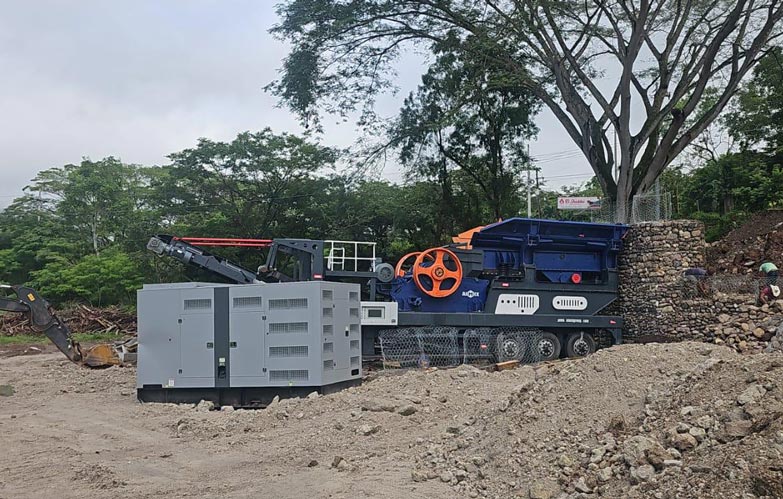
Mobile aggregate crusher plants are designed with modular components mounted on wheeled or tracked platforms, allowing for rapid relocation between sites. These plants integrate crushing, screening, and sometimes washing units into a single transportable system.
For projects where aggregate demand is spread across multiple sites or temporary mining operations, mobile plants provide unmatched flexibility. Despite smaller individual capacities compared to large fixed facilities, they compensate by reducing transport distances and setup time.
Production and Processing Capabilities
Technical differences extend to production methods and processing efficiency.
Capacity and Throughput
Fixed crushing plants usually feature higher throughput capabilities, making them suitable for continuous high-volume projects. Crushers in these plants, such as jaw, cone, or impact crushers, are larger and can handle significant material sizes.
Mobile stone crusher plants are optimized for moderate throughput but focus on efficiency in constrained or shifting work environments. While the production volume is lower than that of a stationary facility, mobile plants excel at meeting just-in-time aggregate needs, reducing stockpile requirements and truck transport.
Screening and Material Handling
Fixed plants typically incorporate long conveyor belts and separate screening stations for fine-tuning output sizes. These systems can handle complex aggregate grading and produce multiple fractions simultaneously.
In contrast, mobile aggregate crusher plants(planta trituradora de agregados) integrate screening directly onto the chassis. This reduces the need for separate material handling infrastructure and allows operators to adapt production to site-specific requirements quickly.
Energy Efficiency and Operational Costs
Fixed Crushing Plants
While fixed plants benefit from larger, high-capacity crushers, their extended conveyor systems and auxiliary equipment can result in higher energy consumption. However, the economies of scale achieved with continuous high-volume output often offset energy costs over time.
Mobile Plants
Mobile stone crusher plants typically consume less energy per unit of material because of shorter conveyor distances and integrated design. Operational costs are also reduced due to lower civil construction requirements and quicker deployment, making them ideal for projects with limited budgets or multiple temporary sites.
Maintenance and Flexibility
Maintenance Considerations
Fixed crushing plants require routine inspection of large-scale equipment and conveyors, as well as upkeep of permanent structural elements. Maintenance schedules tend to be predictable but may require specialized labor and downtime planning.
Mobile aggregate crusher plants feature modular components that can be accessed more easily for inspection and repair. Critical parts, such as screens, belts, and crushers, are designed for quick replacement, minimizing production interruptions.
Adaptability to Site Changes
The inherent mobility of mobile stone crusher plants allows operators to respond to changes in quarry layout, project relocation, or road construction needs. Fixed plants, while robust and high-capacity, lack this flexibility, making them less suitable for dynamic operational environments.
Choosing the Right Aggregate Solution
When evaluating an aggregate plant for sale(planta de áridos en venta), operators should consider:
- Long-term production needs and site permanence
- Project mobility and site accessibility
- Budget and expected ROI
- Required output specifications and grading flexibility
A fixed crushing plant is ideal for sustained, high-volume aggregate production, while a mobile stone crusher plant provides flexibility, rapid deployment, and reduced infrastructure costs. In many cases, mining and construction companies use a combination of both, deploying mobile plants for temporary projects and fixed plants for continuous, large-scale operations.
Enhancing Efficiency Across Projects
Understanding the technical differences between mobile and fixed crushing plants allows contractors to match equipment to project requirements effectively. By evaluating production capacity, mobility, operational cost, and maintenance needs, operators can optimize aggregate output, minimize downtime, and maximize profitability. Whether investing in a mobile aggregate crusher plant or a permanent fixed facility, informed decisions ensure smooth operations and long-term project success.

Comments
No comments yet. Be the first to react!